 By Jenna Rose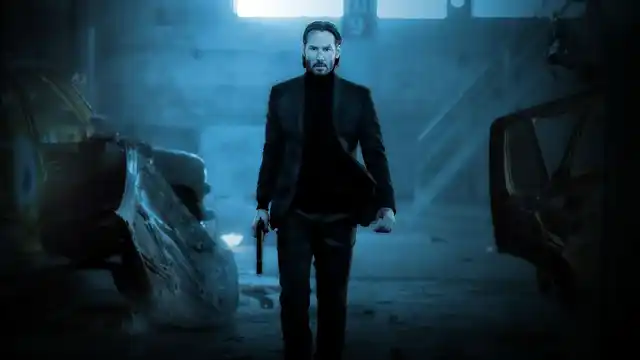
Explore how blockbuster franchises like the Marvel Cinematic Universe, The Dark Knight trilogy, and John Wick reshaped modern cinema, dominated the global box office, and transformed Hollywood into an IP-driven entertainment industry.
Blockbuster Franchises Explained: How Marvel, The Dark Knight, and John Wick Dominate Modern Cinema
Modern cinema is no longer defined by standalone films alone. Instead, it is driven by expansive universes, interconnected storytelling, and long-running intellectual properties (IP) that span years, sometimes decades. Today, blockbuster franchises dominate global entertainment, shaping audience expectations and redefining what success looks like in Hollywood.
At the center of this transformation are three major cultural forces: the Marvel Cinematic Universe (MCU), Christopher Nolan’s The Dark Knight trilogy, and the modern action phenomenon John Wick. Together, they represent different but interconnected approaches to franchise storytelling, all of which have influenced the global film industry in profound ways.
This article explores how these franchises rose to dominance, why audiences continue to invest in them, and how they reshaped the future of cinema.
The Rise of the Blockbuster Franchise Era
Before the modern franchise boom, Hollywood was largely driven by standalone films. While sequels existed, they were not the core of the industry. That changed dramatically in the 21st century as studios realized the financial power of intellectual property.
A blockbuster franchise is built on recognizable characters, consistent world-building, and long-term storytelling. Instead of a single film experience, audiences are invited into an ongoing narrative universe.
The success of franchises such as the MCU proved that audiences were willing to follow stories across multiple films, spin-offs, and crossovers. This model not only increased box office revenue but also expanded merchandise, streaming value, and global brand recognition.
Marvel Cinematic Universe: The Blueprint for Modern Blockbusters
The Marvel Cinematic Universe remains the most influential franchise in modern film history.
Beginning with early entries like Iron Man, the MCU established a shared universe where characters and storylines intersected across multiple films. This strategy transformed how studios approached storytelling.
Key reasons for MCU dominance include:
- Long-term narrative planning across multiple phases
- Character-driven storytelling combined with spectacle
- Interconnected films that reward loyal audiences
- Global appeal across diverse demographics
- Strategic release scheduling across years
The MCU did not just create movies—it created an ecosystem.
Audiences are no longer just watching individual films; they are following a continuous saga that evolves over time. This approach has significantly increased audience retention and repeat viewership.
The success of the MCU also encouraged other studios to adopt similar shared-universe strategies, even when not all attempts were successful.
The Dark Knight Trilogy: Elevating Superhero Cinema
While the MCU revolutionized shared universes, Christopher Nolan’s The Dark Knight trilogy reshaped the artistic expectations of blockbuster films.
Starring Christian Bale as Batman, the trilogy redefined superhero storytelling by grounding it in realism, psychological depth, and moral complexity.
Key elements of its impact include:
- Dark, mature storytelling tone
- Real-world thematic exploration of justice and chaos
- Practical filmmaking and minimal reliance on CGI spectacle
- Iconic performances, including Heath Ledger’s Joker
- Critical and commercial success across all three films
The Dark Knight proved that superhero films could be taken seriously as cinema, not just entertainment.
It elevated the genre to award-worthy status and influenced countless filmmakers to approach comic book adaptations with greater seriousness and artistic ambition.
Even within the broader franchise era, The Dark Knight trilogy remains a benchmark for standalone franchise storytelling done at the highest level.
John Wick: The Modern Action Franchise Revolution
While superhero franchises dominate much of Hollywood, John Wick introduced a different kind of blockbuster success: the minimalist yet highly stylized action universe.
Starring Keanu Reeves, the John Wick series focuses on a retired assassin drawn back into a hidden criminal underworld. What began as a relatively modest action film evolved into one of the most respected modern action franchises.
Its success can be attributed to:
- Highly choreographed “gun-fu” action sequences
- Consistent world-building across sequels
- A clear and expanding mythology of assassins and organizations
- Strong visual identity and cinematic style
- A dedicated fan base for action realism and intensity
Unlike larger franchises that rely heavily on interconnected universes, John Wick thrives on focused storytelling and consistent escalation of stakes.
Each film builds upon the last, expanding the mythology without losing narrative clarity.
The franchise has also influenced modern action filmmaking, inspiring a new wave of stylized, choreography-driven movies and series.
Why Blockbuster Franchises Dominate the Box Office
The dominance of franchises like Marvel, Batman, and John Wick is not accidental. It is the result of evolving audience behavior and industry economics.
1. Audience Familiarity
Viewers are more likely to invest in characters they already know.
2. Reduced Risk for Studios
Established IP reduces financial uncertainty.
3. Global Market Appeal
Franchises translate easily across cultures and languages.
4. Long-Term Engagement
Audiences return repeatedly for sequels and expansions.
5. Merchandise and Streaming Value
Franchises extend revenue beyond theaters.
This combination makes blockbuster franchises the most reliable business model in modern Hollywood.
The Evolution of Audience Expectations
Modern audiences no longer expect single-story films to be complete experiences. Instead, they anticipate continuity, world-building, and long-term character development.
Franchise films encourage:
- Fan theories and online discussions
- Repeat viewings to catch hidden details
- Emotional investment in character arcs
- Anticipation for future installments
This level of engagement has transformed cinema into a participatory cultural experience.
Audiences are not just watching movies—they are actively engaging with them across social media, forums, and fan communities.
The Role of Cinematic Universes in Modern Entertainment
The success of the MCU popularized the idea of cinematic universes. Other studios attempted to replicate this model with varying levels of success.
However, building a successful universe requires more than just multiple films. It requires:
- Strong foundational storytelling
- Consistent creative direction
- Audience trust and loyalty
- Strategic long-term planning
Without these elements, cinematic universes often struggle to maintain coherence and audience interest.
The MCU remains the most successful example of this model, but other franchises continue to experiment with similar structures.
The Balance Between Art and Commerce
One of the ongoing debates in modern cinema is whether blockbuster franchises prioritize commerce over artistic expression.
On one hand, franchises bring:
- Massive production budgets
- Advanced visual effects
- Global storytelling opportunities
On the other hand, critics argue that:
- Original storytelling may be reduced
- Formulaic narratives can emerge
- Risk-taking may be limited
However, franchises like The Dark Knight and John Wick demonstrate that artistic ambition and commercial success can coexist.
These films prove that franchise storytelling can still deliver emotional depth, innovation, and cinematic excellence.
The Future of Blockbuster Franchises
Looking ahead, blockbuster franchises are expected to continue dominating the film industry. However, their structure may evolve.
Future trends include:
- More interconnected streaming and theatrical releases
- Expansion into television series and spin-offs
- Increased use of digital storytelling platforms
- Greater emphasis on global audience integration
- Hybrid storytelling between film and interactive media
The definition of a “film franchise” is expanding beyond traditional cinema into a multi-platform entertainment experience.
Conclusion
Blockbuster franchises like the Marvel Cinematic Universe, The Dark Knight trilogy, and John Wick have fundamentally reshaped modern cinema. They have transformed how stories are told, how audiences engage with films, and how Hollywood structures its business model.
Marvel introduced the concept of interconnected storytelling on a global scale. The Dark Knight elevated superhero films into serious cinematic art. John Wick redefined modern action filmmaking with precision and style.
Together, these franchises represent the evolution of blockbuster entertainment in the IP-driven era.
As the industry continues to evolve, one thing remains clear: franchises are no longer just part of cinema—they are the foundation of modern Hollywood.
References
Marvel Studios
Warner Bros. Pictures
Lionsgate Films
Box Office Mojo
IMDb
 Nat Feury