 By Jenna Rose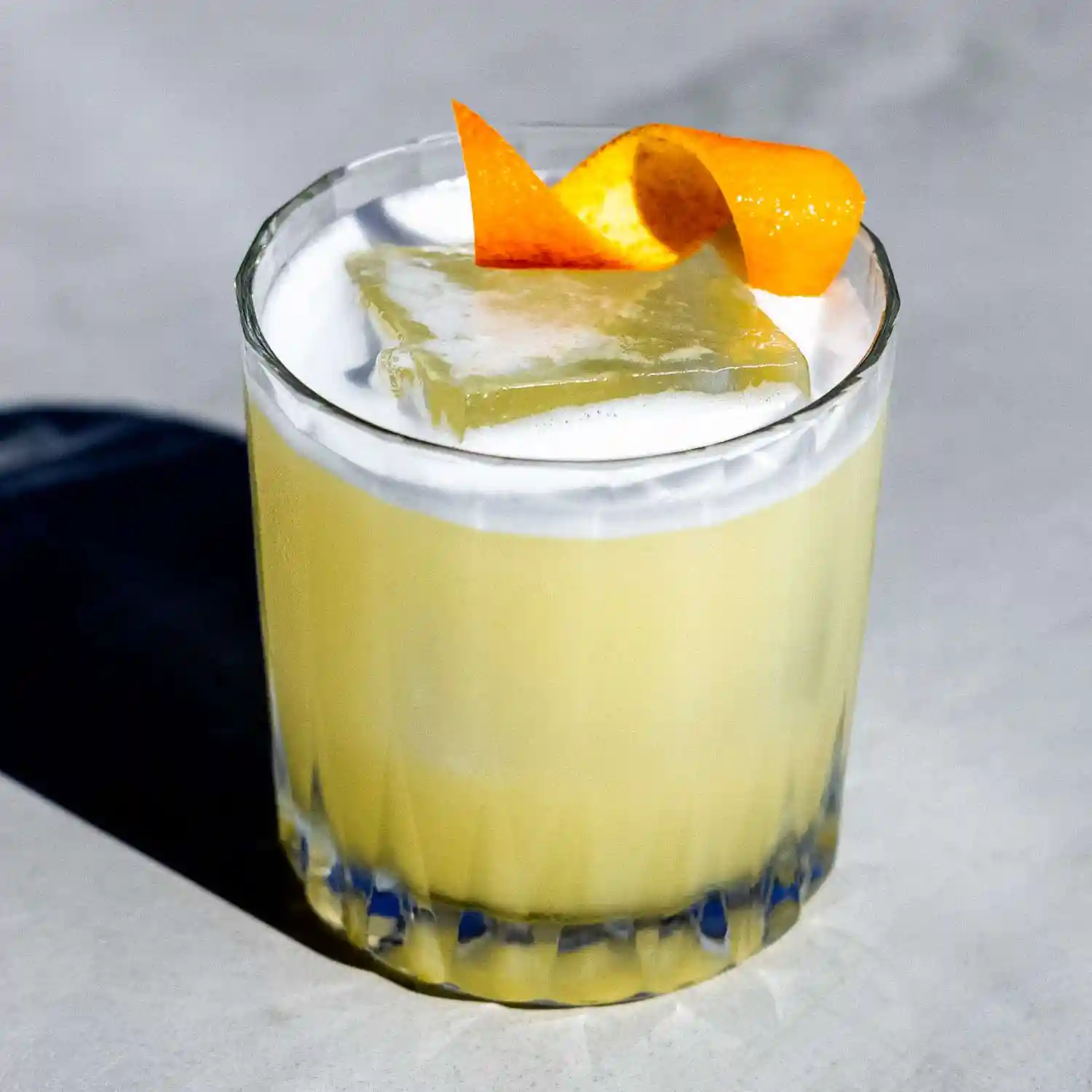
Introduction
The Whiskey Sour has earned its place as one of the world’s most beloved classic cocktails. With its perfect harmony of whiskey, fresh lemon juice, and simple syrup, this timeless drink delivers a balanced combination of sweetness, acidity, and bold whiskey flavor. Whether you’re an experienced home bartender or mixing cocktails for the first time, mastering a Whiskey Sour is one of the best ways to elevate your cocktail-making skills.
Unlike trendy cocktails that come and go, the Whiskey Sour has remained a staple for more than a century. It appears on the menu of upscale cocktail lounges, neighborhood bars, fine dining restaurants, and home gatherings alike. Its enduring popularity comes from its remarkable versatility. A Whiskey Sour can be elegant enough for a dinner party, refreshing enough for a summer afternoon, and comforting enough for a cozy evening by the fireplace.
The beauty of this cocktail lies in its simplicity. With only a handful of quality ingredients, anyone can create a drink that rivals those served by professional bartenders. Fresh citrus brightens the whiskey without overpowering it, while simple syrup softens the tartness to create an exceptionally smooth finish. Optional additions such as egg white add a luxurious silky texture and a beautiful foam that has become a signature feature of many modern Whiskey Sours.
In this comprehensive guide, you’ll discover everything you need to know about making the perfect Whiskey Sour at home. From choosing the best whiskey to understanding the cocktail’s fascinating history, you’ll learn the techniques that transform a simple mixed drink into an unforgettable classic.
The History of the Whiskey Sour
The Whiskey Sour is more than just a delicious cocktail—it is a piece of cocktail history that has survived generations of changing tastes and drinking trends.
The origins of sour-style cocktails date back to the 18th and 19th centuries, when sailors routinely mixed spirits with citrus juice. Long sea voyages often resulted in vitamin C deficiencies, making lemons and limes an essential part of maritime diets. Adding citrus to whiskey or rum not only improved the flavor but also helped preserve the fruit during extended journeys.
As cocktail culture evolved throughout the nineteenth century, bartenders began refining these simple spirit-and-citrus combinations into more sophisticated recipes. The Whiskey Sour soon emerged as one of the defining drinks of the era.
One of the earliest published Whiskey Sour recipes appeared in Jerry Thomas’s influential bartending guides during the 1860s. Often referred to as the “father of American mixology,” Thomas helped standardize countless classic cocktails, and the Whiskey Sour quickly became a favorite among both bartenders and patrons.
Throughout the decades, the cocktail remained remarkably consistent. While countless variations have appeared, the essential formula has changed very little: whiskey, fresh citrus, sweetener, and ice.
This timeless simplicity explains why the Whiskey Sour continues to appear on lists of the world’s greatest cocktails more than 150 years after its creation.
Why the Whiskey Sour Has Stood the Test of Time
Many cocktails enjoy popularity for a few years before fading into obscurity. The Whiskey Sour has managed to remain relevant across generations because it delivers exactly what many drinkers seek: balance.
A well-made Whiskey Sour is neither overly sweet nor overwhelmingly sour. Instead, each ingredient complements the others. The whiskey provides warmth and complexity, fresh lemon juice contributes brightness, and simple syrup ties everything together without masking the spirit’s character.
Another reason for its lasting appeal is adaptability.
Some drinkers prefer a bold bourbon-forward cocktail, while others enjoy the spicy notes of rye whiskey. Bartenders can adjust sweetness or acidity according to personal preference, creating countless subtle variations while preserving the cocktail’s classic identity.
The Whiskey Sour also bridges the gap between beginner-friendly drinks and sophisticated cocktails. Someone new to whiskey often finds it approachable because the citrus softens the spirit’s intensity, while experienced whiskey enthusiasts appreciate how the cocktail highlights rather than hides premium whiskey.
Its elegant appearance further contributes to its popularity. Served over fresh ice with a vibrant lemon garnish and often topped with a velvety egg-white foam, the Whiskey Sour looks every bit as refined as it tastes.
Understanding the Flavor Profile
Before making a Whiskey Sour, it helps to understand why its ingredients work so well together.
Whiskey forms the backbone of the cocktail, bringing notes of caramel, vanilla, oak, spice, and sometimes fruit, depending on the style selected. Bourbon tends to produce a richer, sweeter drink, while rye whiskey introduces peppery spice and a drier finish.
Fresh lemon juice provides acidity that cuts through the whiskey’s richness. Using freshly squeezed lemons makes a dramatic difference, delivering bright citrus oils and natural freshness that bottled juice simply cannot replicate.
Simple syrup balances the tartness without overwhelming the whiskey. Because it dissolves instantly into cold liquids, it creates a smooth texture that granulated sugar cannot achieve.
Many modern recipes include an egg white. Although it contributes virtually no flavor, it transforms the drink’s texture, producing a creamy mouthfeel and a thick, velvety foam that enhances every sip.
Finally, ice plays an important role. Proper dilution slightly softens the whiskey while integrating all of the flavors into a cohesive cocktail. Too little dilution leaves the drink harsh, while excessive melting waters down the carefully balanced ingredients.
When each component is measured carefully, the result is a cocktail that feels refreshing, complex, and remarkably smooth.
Choosing the Best Whiskey
Selecting the right whiskey is one of the most important decisions when preparing a Whiskey Sour.
Bourbon is the traditional favorite because its natural sweetness pairs beautifully with fresh lemon juice. Notes of vanilla, caramel, and toasted oak create a rich, approachable cocktail that appeals to most palates.
Rye whiskey offers an entirely different experience. Its peppery spice and drier character create a more assertive Whiskey Sour with added complexity. Many cocktail enthusiasts appreciate rye for producing a drink with extra depth and structure.
Irish whiskey provides a lighter, smoother option, resulting in an exceptionally easy-drinking cocktail that works well for beginners.
Some adventurous bartenders even experiment with Japanese whisky or blended Scotch, although these variations create distinctly different flavor profiles from the classic American version.
Regardless of the whiskey you choose, quality matters. While there’s no need to use your rarest bottle, selecting a well-made whiskey with balanced flavors will significantly improve the finished cocktail.
A Whiskey Sour is only as good as the ingredients that go into it, making whiskey selection one of the most important steps in crafting an exceptional drink.
Popular Whiskey Sour Variations
One of the reasons the Whiskey Sour has remained relevant for generations is its adaptability. While the classic recipe continues to be the gold standard, bartenders around the world have introduced creative variations that appeal to different tastes and occasions. These twists preserve the cocktail’s signature balance while adding unique flavors and visual appeal.
The New York Sour is perhaps the most famous variation. After preparing a traditional Whiskey Sour, a small amount of dry red wine is carefully floated on top of the drink. The result is a stunning layered cocktail that combines the richness of whiskey with the fruity, slightly tannic notes of red wine. The visual contrast also makes it one of the most striking cocktails to serve at dinner parties.
The Boston Sour incorporates egg white, producing the silky foam that many modern cocktail enthusiasts associate with the Whiskey Sour. Although some people use the terms interchangeably, many bartenders consider the Boston Sour to be the egg-white version of the classic recipe.
Seasonal ingredients also inspire countless variations. During autumn, maple syrup can replace simple syrup to create a warm, slightly smoky sweetness that pairs beautifully with bourbon. In summer, fresh berries such as blackberries or raspberries can be muddled into the shaker, adding natural fruit flavors without overwhelming the whiskey.
Honey syrup offers another excellent alternative to simple syrup. Its floral sweetness complements both bourbon and rye, resulting in a cocktail with additional depth and complexity. Some bartenders even experiment with smoked bourbon, cinnamon syrup, or herbal bitters to create signature house versions.
The versatility of the Whiskey Sour allows home bartenders to explore new flavor combinations while still honoring the timeless structure that has made the drink famous.
What Foods Pair Best With a Whiskey Sour?
The Whiskey Sour’s balance of citrus, sweetness, and whiskey makes it one of the easiest cocktails to pair with food. Its refreshing acidity cuts through rich dishes, while its subtle sweetness complements savory and even sweet flavors.
Grilled meats are a natural pairing. Burgers, steaks, barbecue ribs, and smoked brisket all benefit from the cocktail’s bright citrus notes, which help cleanse the palate between bites. The caramel and vanilla flavors found in many bourbons also enhance the smoky characteristics of grilled foods.
Fried appetizers such as calamari, fried chicken, onion rings, and crispy shrimp pair exceptionally well with a Whiskey Sour. The acidity from the lemon juice balances the richness of fried foods, creating a satisfying contrast.
Cheese boards are another excellent choice. Sharp cheddar, aged Gouda, blue cheese, and creamy Brie all complement the cocktail’s complexity. Adding toasted nuts, dried fruit, and artisan crackers creates an elegant pairing suitable for entertaining.
Seafood lovers can enjoy a Whiskey Sour alongside grilled salmon, seared tuna, or crab cakes. The cocktail’s citrus profile enhances delicate seafood flavors without overpowering them.
For dessert, chocolate-based treats are particularly successful companions. Dark chocolate, flourless chocolate cake, chocolate mousse, and brownies pair beautifully with bourbon’s notes of caramel and vanilla. Fruit desserts featuring cherries or citrus also echo the cocktail’s natural flavors.
Whether served during a casual gathering or a formal dinner, the Whiskey Sour adapts effortlessly to a wide variety of menus.
Frequently Asked Questions
Many first-time cocktail enthusiasts have questions about preparing the perfect Whiskey Sour. Understanding a few key details can help you achieve consistent results every time.
One of the most common questions concerns the choice between bourbon and rye whiskey. Neither option is inherently better. Bourbon produces a sweeter, smoother cocktail with notes of caramel and vanilla, while rye whiskey creates a spicier, drier drink with more pronounced peppery flavors. Choosing between them depends entirely on personal taste.
Another frequently asked question is whether egg white is necessary. The answer is no. A traditional Whiskey Sour can be made without egg white and still taste excellent. The egg white simply adds a creamy texture and an attractive foam that many people enjoy.
Some home bartenders wonder whether bottled lemon juice can replace fresh lemons. Although bottled juice is convenient, freshly squeezed lemon juice delivers a significantly brighter and more natural flavor. For the best possible Whiskey Sour, fresh citrus is always recommended.
Many people also ask whether the cocktail should be served straight up or over ice. Both methods are acceptable. Serving it over fresh ice keeps the drink colder for longer, while serving it straight up in a chilled coupe glass creates a more elegant presentation often seen in cocktail bars.
Finally, some wonder if the Whiskey Sour can be prepared in advance. While simple syrup can certainly be made ahead of time, the cocktail itself is best mixed immediately before serving. Fresh lemon juice and proper shaking are essential to achieving the vibrant flavor and ideal texture that define a great Whiskey Sour.
Why the Whiskey Sour Belongs in Every Home Bar
Learning to prepare a Whiskey Sour is more than simply mastering one recipe. It introduces the fundamental principles that underpin many classic cocktails: balancing strong spirits with citrus and sweetness to create a harmonious drink.
Because the recipe is straightforward, it also provides an excellent opportunity to develop essential bartending skills. Measuring ingredients accurately, shaking with confidence, selecting quality spirits, and understanding proper dilution are techniques that transfer to countless other cocktails.
A Whiskey Sour is equally appropriate for a quiet evening at home, a holiday celebration, or a gathering with friends. Its familiar flavors appeal to experienced whiskey enthusiasts while remaining approachable for those who are new to whiskey-based cocktails.
Perhaps most importantly, it demonstrates that exceptional cocktails do not require complicated ingredients or expensive equipment. With a bottle of quality whiskey, fresh lemons, simple syrup, and a shaker, anyone can produce a drink worthy of a professional cocktail menu.
Conclusion
The Whiskey Sour has remained one of the world’s most celebrated cocktails because it perfectly balances simplicity, elegance, and flavor. More than 150 years after its introduction, it continues to be enjoyed by bartenders, whiskey enthusiasts, and casual cocktail drinkers alike.
Its enduring appeal lies in the harmony between rich whiskey, bright lemon juice, and smooth sweetness. Every ingredient serves a purpose, creating a cocktail that is refreshing yet complex, familiar yet sophisticated. Whether you prefer bourbon for its warm caramel notes or rye for its bold spice, the Whiskey Sour provides an ideal canvas for showcasing quality whiskey.
Making the perfect Whiskey Sour at home does not require years of bartending experience. By using fresh ingredients, measuring carefully, and following proper shaking techniques, you can consistently create a cocktail that rivals those served in premium bars and restaurants. Small details—such as freshly squeezed lemon juice, homemade simple syrup, and high-quality ice—make a remarkable difference in the final result.
The cocktail’s versatility also ensures it never becomes boring. From the luxurious Boston Sour to the elegant New York Sour and countless seasonal variations, there is always a new interpretation to explore while preserving the drink’s timeless character.
Whether you’re building your home bar, entertaining guests, or simply enjoying a relaxing evening, the Whiskey Sour deserves a permanent place in your cocktail repertoire. Its rich history, balanced flavor profile, and endless adaptability have secured its status as one of the greatest classic cocktails ever created, and it is likely to remain a favorite for generations to come.