 By Jenna Rose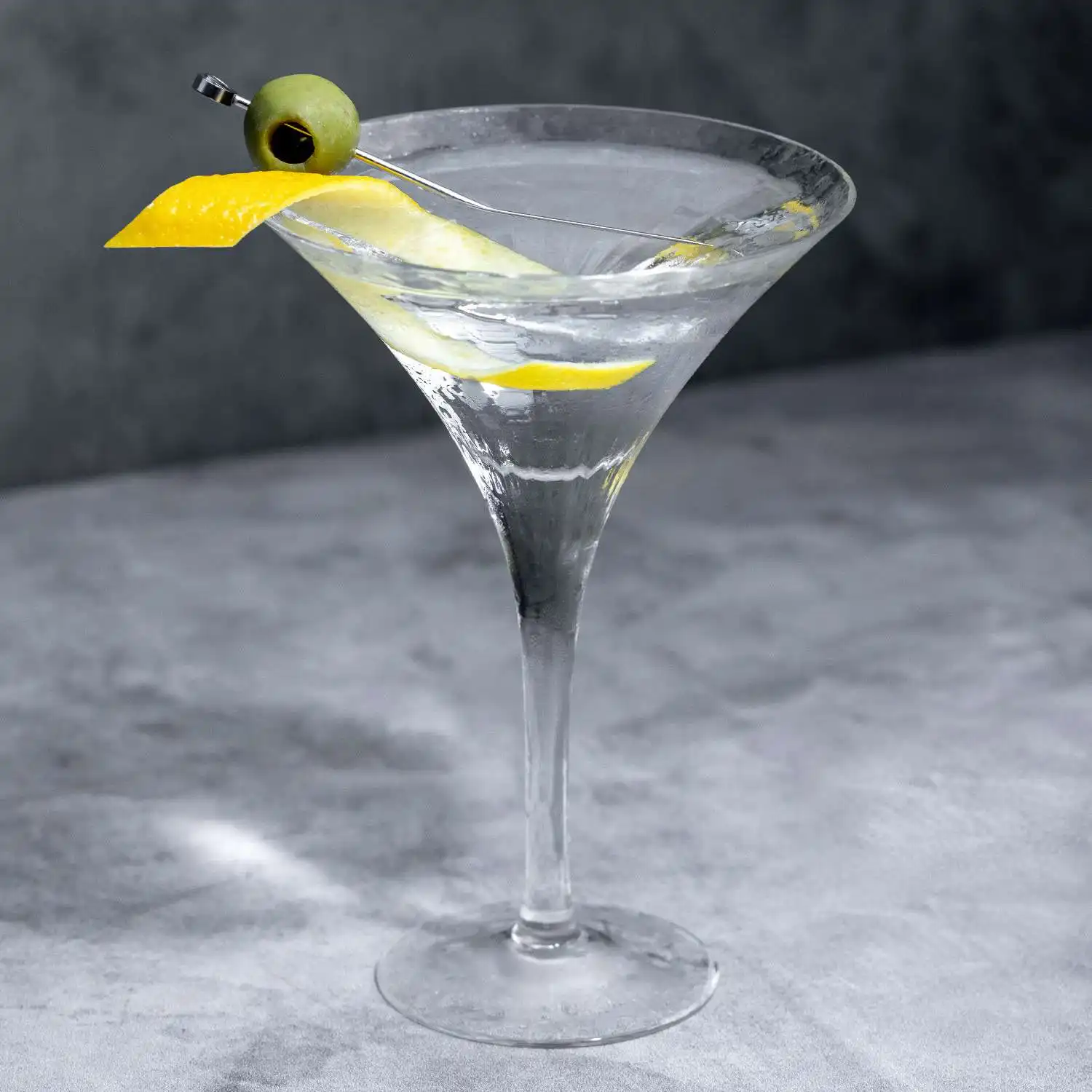
When it comes to classic cocktails, few drinks are as iconic as the Martini. Known for its elegance, simplicity, and versatility, the Martini has been a staple of nightlife culture for decades. Whether you prefer it made with gin or vodka, dry vermouth, or a twist on the classic recipe, this cocktail represents sophistication, style, and the vibrant social energy of city nightlife.
In this article, we’ll explore everything about the Martini — from its history and ingredients to mixing techniques, variations, and why it continues to be a nightlife essential.
The Origins of the Martini
The Martini is one of the most mysterious and debated cocktails in history. Its exact origin is unclear, but most historians trace it back to the late 19th century. Some say it evolved from the Martinez cocktail, a gin-and-vermouth drink popular in California. Others credit New York bartenders during the Prohibition era with shaping the modern Martini.
Despite the ambiguity of its beginnings, the Martini quickly became a symbol of sophistication. Its minimalist composition — just spirit, vermouth, and a garnish — captured the essence of elegance, making it a favorite among the social elite and nightlife enthusiasts.
Gin vs. Vodka: Choosing Your Base
One of the first decisions in crafting a Martini is the base spirit. Gin and vodka offer distinctly different experiences.
Gin Martini
Gin is the traditional choice, offering complex botanicals and aromatic notes that complement dry vermouth. Classic gin varieties, like London Dry, bring juniper-forward flavors, giving the Martini its signature crispness. Gin Martinis are ideal for those who enjoy a layered, herbal cocktail with a touch of bitterness.
Vodka Martini
Vodka, by contrast, provides a cleaner, smoother flavor profile. Vodka Martinis are often favored by those who prefer a neutral spirit that lets the vermouth or garnish shine. Vodka can make the Martini feel lighter and more modern, which has contributed to its popularity in contemporary nightlife scenes.
Dry Vermouth: The Secret Ingredient
Dry vermouth is a fortified wine infused with herbs and botanicals. It’s the ingredient that elevates a simple spirit into a refined cocktail. The key is balance — too much vermouth can overpower the base spirit, while too little may make the drink feel one-dimensional.
Tips for Using Vermouth
- Store vermouth in the refrigerator to maintain freshness.
- Experiment with ratios: Classic recipes range from 2:1 to 6:1 (spirit to vermouth).
- Swirl or stir gently with ice to avoid over-dilution.
A well-balanced Martini showcases the delicate harmony between vermouth and your chosen spirit.
Martini Garnishes: Classic and Modern
The garnish is more than decorative — it influences aroma and flavor.
- Olives: The most iconic garnish, adding a subtle salty bite.
- Lemon Twist: Brightens the cocktail with citrus oils and aroma.
- Cocktail Onion: Used in a Gibson, providing a slightly sweet, tangy taste.
Modern mixologists often experiment with creative garnishes like orange peel, rosemary sprigs, or even edible flowers, enhancing both flavor and presentation.
Shaken or Stirred: The Debate
Perhaps the most famous Martini debate comes from James Bond: “shaken, not stirred.”
- Stirred Martinis: Preserve the silky texture of gin or vodka, offering clarity and smoothness.
- Shaken Martinis: Chill faster and slightly dilute the cocktail, sometimes creating tiny ice shards. Bond popularized this method, though purists often prefer stirring for traditional flavor.
Both methods have their merits. Experiment to discover your preferred preparation.
The Martini in Nightlife Culture
The Martini is more than a cocktail — it’s a lifestyle symbol. It represents:
- Elegance and Sophistication: Seen in classic cocktail lounges and high-end bars.
- Social Ritual: Often enjoyed before dinner or during networking events.
- Versatility: Adaptable to casual gatherings or upscale nightlife venues.
From the speakeasies of the Prohibition era to modern rooftop bars, the Martini has remained a fixture of nightlife culture worldwide.
Classic Martini Recipes
Here’s a basic guide to crafting a perfect Martini:
Classic Gin Martini
- 2 ½ oz gin
- ½ oz dry vermouth
- Ice
- Lemon twist or olive for garnish
Instructions:
- Fill a mixing glass with ice.
- Add gin and vermouth.
- Stir gently for 30 seconds.
- Strain into a chilled cocktail glass.
- Garnish with a lemon twist or olive.
Classic Vodka Martini
- 2 ½ oz vodka
- ½ oz dry vermouth
- Ice
- Lemon twist or olive
Instructions: Same as above, but optionally shaken for a slightly different texture.
Martini Variations to Try
The Martini is a versatile cocktail with endless variations to suit modern nightlife preferences:
- Dirty Martini: Add olive brine for a savory twist.
- Vesper Martini: Gin, vodka, and Lillet Blanc, made famous by James Bond.
- Gibson: Garnished with a cocktail onion instead of an olive or lemon.
- Espresso Martini: Vodka, coffee liqueur, and espresso for a nightlife-ready energy boost.
Experimenting with variations allows bartenders and enthusiasts to craft personalized experiences, keeping the Martini relevant across generations.
Martini Etiquette in Nightlife
Drinking a Martini is an art. Here are some tips for enjoying it responsibly in a nightlife setting:
- Sip Slowly: Martinis are strong; enjoy the flavor, don’t rush.
- Hold the Glass Correctly: Hold the stem to avoid warming the drink.
- Mind the Garnish: Eat olives or twist lemons between sips for a balanced flavor.
- Pair with Food: Martinis are ideal as aperitifs, complementing seafood, charcuterie, or light appetizers.
Proper etiquette enhances the drinking experience and keeps the cocktail stylish and sophisticated.
Martini Night Out: Modern Trends
Modern nightlife has seen a resurgence of craft cocktails and speakeasy-style bars. Martini nights often involve:
- Curated spirits and vermouth selections
- Customized garnishes and infused spirits
- Mixology experiences where patrons learn to craft their own cocktails
Whether at a rooftop bar, a downtown lounge, or a private home gathering, Martini culture continues to embody class, sophistication, and interactive enjoyment.
Health Considerations
While Martinis are a celebrated cocktail, moderation is key:
- Alcohol can impair judgment and coordination
- Limit intake to 1–2 drinks per night
- Drink water between cocktails to stay hydrated
Responsible enjoyment ensures that Martini nights remain memorable for all the right reasons.
Why the Martini Will Never Go Out of Style
The Martini’s longevity stems from its simplicity, adaptability, and cultural symbolism. It embodies:
- Timeless Elegance: Perfect for formal and casual occasions.
- Flavor Flexibility: Gin or vodka, dry or dirty, the Martini evolves with personal taste.
- Nightlife Icon: Associated with social sophistication, exclusive gatherings, and classic cinematic moments.
For cocktail lovers and nightlife enthusiasts, the Martini remains a symbol of refined enjoyment.
Conclusion
Whether you prefer gin or vodka, stirred or shaken, with an olive or a lemon twist, the Martini is more than just a cocktail—it’s a lifestyle. It’s a drink that has withstood decades of changing trends and remains synonymous with sophistication, elegance, and nightlife culture.
Next time you step into a cocktail lounge or plan a night out, consider ordering a Martini. Sip slowly, enjoy the aroma, and appreciate the craftsmanship behind every pour. In the world of cocktails, the Martini is truly timeless.