 By Jenna Rose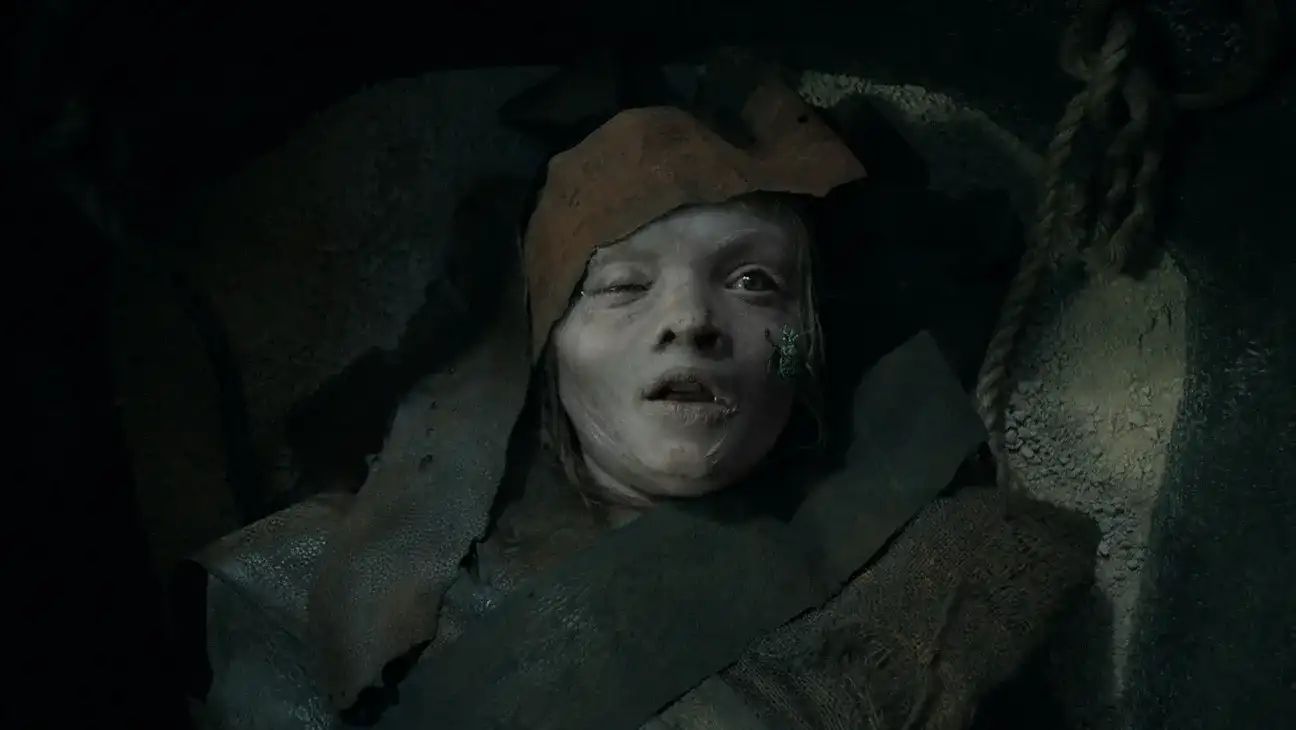
The legendary tale of The Mummy is rising once again—but this time, it is returning to its roots in pure horror. Directed by Lee Cronin, the upcoming reboot of The Mummy is set to premiere on April 17, bringing a darker, more terrifying vision to one of cinema’s most iconic monsters.
For decades, The Mummy has evolved through different interpretations, from classic horror to action-adventure spectacle. However, Cronin’s version promises something very different—a return to fear, tension, and psychological dread. This reboot aims to reintroduce audiences to the terrifying essence of the ancient curse while redefining the franchise for a modern generation.
In this article, we explore everything you need to know about Lee Cronin’s The Mummy, including its direction, tone, legacy, and why it may become one of the most anticipated horror films of 2026.
The Legacy of The Mummy Franchise
The The Mummy has a long and rich history in Hollywood. It first gained prominence in 1932 with Boris Karloff’s haunting portrayal, establishing the character as a cornerstone of classic horror cinema.
Over the years, the franchise has gone through multiple reinventions:
- The original horror era (1930s–1940s) focused on gothic terror and ancient curses
- The late 1990s reboot, starring Brendan Fraser, shifted toward action-adventure and humor
- The 2017 version attempted to launch a shared monster universe but leaned heavily into blockbuster spectacle
While each version found its audience, many fans have long desired a return to the darker, more suspense-driven storytelling that defined the original films.
Lee Cronin’s reboot appears to answer that demand.
Who Is Lee Cronin?
Lee Cronin is best known for his work in the horror genre, particularly for directing Evil Dead Rise. His approach to horror emphasizes atmosphere, tension, and emotional intensity rather than relying solely on jump scares.
Cronin has built a reputation for:
- Creating claustrophobic, high-stakes environments
- Blending physical horror with psychological depth
- Delivering visually striking and unsettling scenes
His involvement in The Mummy signals a major tonal shift for the franchise—one that prioritizes fear and storytelling over large-scale action.
A Return to Horror Roots
One of the most exciting aspects of this reboot is its commitment to horror. Unlike previous versions that leaned toward adventure or fantasy, Cronin’s film is expected to embrace:
- Slow-building tension
- Supernatural dread
- Dark, atmospheric storytelling
- Graphic and visceral horror elements
This approach aligns more closely with modern horror trends, where audiences appreciate deeper narratives combined with genuine scares.
The goal is not just to entertain, but to unsettle—to make viewers feel the ancient terror that the mummy represents.
Reimagining the Mummy Myth
At its core, the story of The Mummy revolves around ancient curses, forbidden knowledge, and the consequences of disturbing the past.
Lee Cronin’s version is expected to reimagine these themes for a modern audience while maintaining the core mythology.
Key elements likely to be explored:
- Ancient Egyptian rituals and beliefs
- The concept of eternal punishment and resurrection
- The dangers of human greed and curiosity
- The clash between science and the supernatural
Rather than portraying the mummy as just a physical threat, the reboot may present it as a psychological and symbolic force—representing fear, guilt, and consequences.
Tone and Visual Style
Cronin’s filmmaking style suggests that The Mummy will feature a darker and more immersive visual tone.
Expected visual elements:
- Dimly lit tombs and underground chambers
- Dust-filled environments and ancient ruins
- Detailed practical effects combined with modern CGI
- Close, intense camera work to heighten tension
The use of sound design will also play a crucial role. Silence, echoes, and subtle noises can create fear without the need for constant action.
This focus on atmosphere is what sets horror apart from action—and what makes this reboot particularly exciting.
How This Reboot Differs from Past Versions
The most notable difference between Cronin’s The Mummy and previous films is its tone.
Previous Versions:
- Action-heavy sequences
- Light humor and adventure elements
- Large-scale set pieces
Cronin’s Version:
- Character-driven storytelling
- Psychological horror
- Slower pacing with intense build-up
- Focus on fear rather than spectacle
This shift reflects a broader trend in Hollywood, where classic franchises are being reimagined through a more serious and artistic lens.
The Modern Horror Landscape
The success of films like Evil Dead Rise shows that audiences are craving more intense and authentic horror experiences. Lee Cronin’s involvement suggests that The Mummy will align with this trend.
Modern horror often emphasizes:
- Emotional storytelling
- Realistic character reactions
- Moral and psychological themes
- Innovative cinematography
This approach allows horror films to resonate more deeply with audiences, making them both entertaining and thought-provoking.
Anticipation and Fan Expectations
Fans of the franchise have mixed expectations. While some are nostalgic for the action-adventure tone of earlier films, others are excited about the return to horror.
What fans are hoping for:
- A genuinely scary interpretation of the mummy
- Strong character development
- Respect for the original mythology
- Fresh storytelling without relying on clichés
The challenge for Cronin will be balancing tradition with innovation—delivering something new while honoring the legacy of the franchise.
Potential Impact on the Franchise
If successful, this reboot could redefine The Mummy for a new generation and potentially lead to future installments.
Possible outcomes:
- A new horror-focused franchise direction
- Expanded storytelling within the monster universe
- Increased interest in classic horror reboots
This could also influence how other classic monsters are reimagined in the future.
Why This Film Matters
The importance of Lee Cronin’s The Mummy goes beyond just one film. It represents a shift in how Hollywood approaches legacy franchises.
Instead of relying on nostalgia and spectacle, studios are beginning to focus on:
- Story-driven narratives
- Genre authenticity
- Creative direction
This approach not only respects the original material but also introduces it to new audiences in a meaningful way.
Release Date and What to Expect
Set to release on April 17, the film is already generating significant buzz among horror fans and industry watchers.
What to expect on release:
- Strong opening interest from horror audiences
- Critical focus on tone and direction
- Comparisons to previous versions
- Discussion around its place in modern horror
If Cronin delivers on expectations, the film could become one of the standout horror releases of 2026.
Conclusion
Lee Cronin’s reboot of The Mummy marks a bold and exciting new chapter for one of cinema’s most iconic monsters. By returning to its horror roots, the film has the potential to redefine how audiences experience the story of the cursed undead.
With Cronin’s proven expertise in horror, a focus on atmosphere and psychological tension, and a commitment to storytelling, this version of The Mummy stands out as more than just another remake—it is a reinvention.
As the April 17 release approaches, anticipation continues to build. Whether you are a long-time fan of the franchise or a newcomer to the story, this reboot promises a darker, more intense journey into one of horror’s most enduring legends.
In a cinematic landscape filled with reboots and sequels, The Mummy may finally return to what made it timeless in the first place: fear.