 By Jenna Rose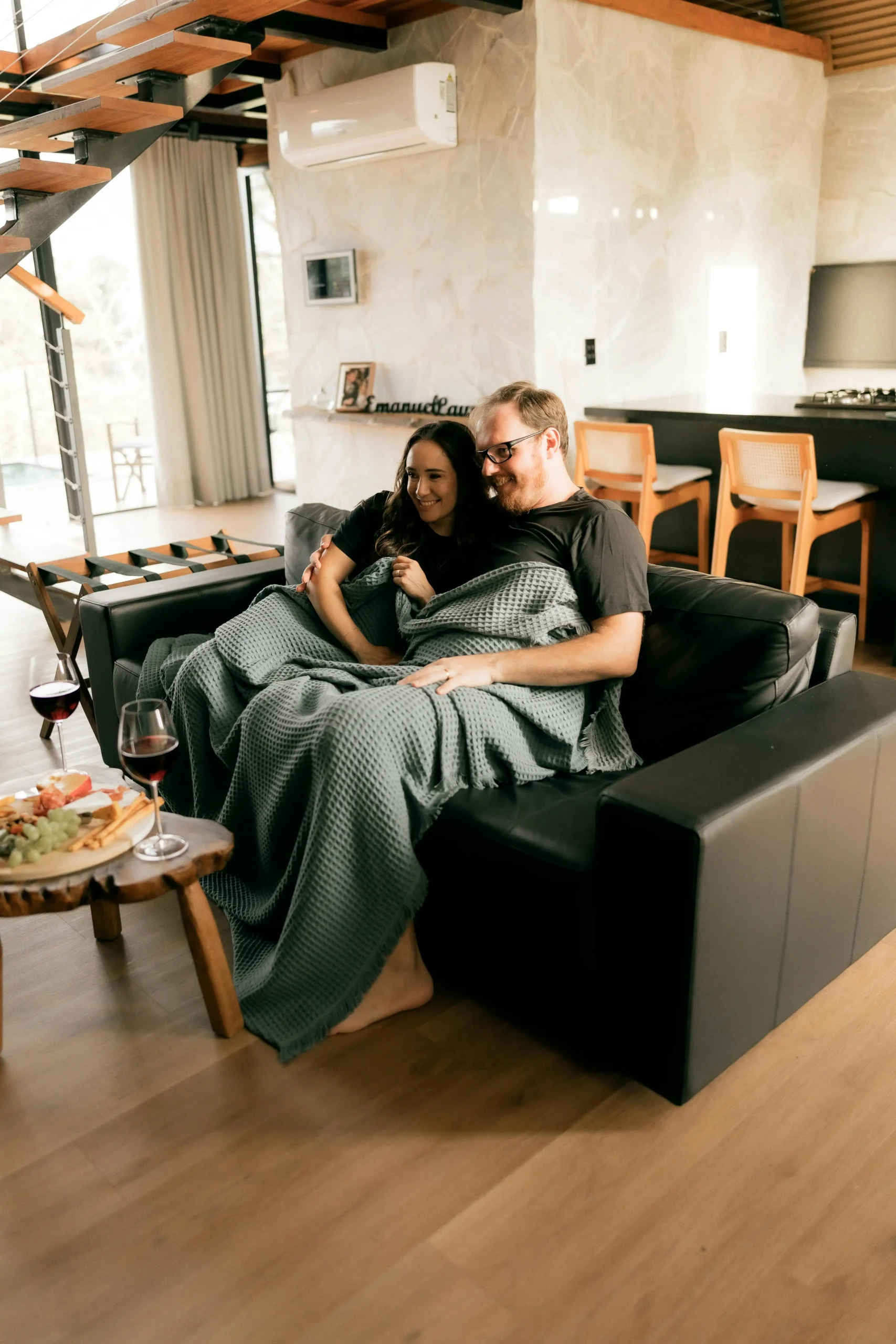
In today’s fast-paced world, comfort has become more than just a luxury—it has become a priority. People are no longer focusing only on status, productivity, or constant hustle. Instead, there is a growing shift toward emotional well-being, mental balance, and environments that feel safe, soft, and restorative.
This shift is best captured by the idea of creature comforts—the small, everyday things that make life feel easier, calmer, and more enjoyable. From cozy home setups to mindful routines, creature comforts are shaping a new lifestyle trend known as comfort-driven living.
This article explores how creature comforts define modern life, why they matter more than ever, and how they are reshaping homes, habits, and overall well-being.
What Are Creature Comforts?
Creature comforts refer to simple physical and emotional pleasures that make daily life more comfortable and enjoyable. These are not necessarily luxury items or expensive experiences. Instead, they are small things that improve how we feel in everyday moments.
Examples include:
- A soft blanket on a cold night
- A warm cup of coffee in the morning
- A quiet, cozy corner at home
- Comfortable clothing after a long day
- Soft lighting in a living space
- Familiar routines that bring peace
These comforts may seem small, but they have a powerful impact on emotional well-being.
Why Comfort-Driven Living Is Growing
Modern lifestyles are becoming increasingly demanding. People are juggling work, social life, digital responsibilities, and personal goals all at once. As a result, burnout and stress have become common experiences.
Comfort-driven living is a response to this pressure.
The rise of this lifestyle is driven by:
- Increased awareness of mental health
- Remote and hybrid work culture
- Social media influence on aesthetics and lifestyle
- Desire for emotional balance
- Fatigue from constant productivity culture
People are realizing that rest, ease, and comfort are not laziness—they are necessary for long-term well-being.
The Psychology Behind Creature Comforts
Creature comforts are deeply connected to psychology and emotional regulation. Humans naturally seek environments that feel safe, familiar, and soothing.
Comfort influences the brain by:
- Reducing stress hormones
- Improving mood stability
- Enhancing relaxation response
- Supporting better sleep quality
- Increasing feelings of safety and control
When people surround themselves with comforting environments, their nervous system naturally becomes calmer.
This is why small comforts can have a big emotional impact.
Home as a Comfort Space
One of the biggest shifts in modern living is the transformation of home spaces into personal comfort zones.
Instead of focusing only on design trends or aesthetics, people are now prioritizing how their home feels.
Comfort-focused home elements include:
- Soft textures like blankets and cushions
- Warm lighting instead of harsh white lights
- Minimal clutter for mental clarity
- Cozy corners for reading or resting
- Personal items that create emotional connection
The goal is no longer just a “beautiful home,” but a “safe and comforting home.”
The Rise of Cozy Aesthetic Culture
Social media platforms like Instagram and TikTok have played a major role in popularizing comfort-driven living.
Content featuring:
- Cozy rooms
- Slow mornings
- Self-care routines
- Soft lighting aesthetics
has gone viral repeatedly.
This has led to the rise of “cozy culture,” where comfort is not just a private experience but also a shared aesthetic lifestyle.
People are inspired to recreate these calming environments in their own homes.
Creature Comforts and Mental Health
Mental health awareness has significantly influenced how people view comfort. Many now understand that their environment directly affects emotional well-being.
Creature comforts support mental health by:
- Creating emotional stability
- Reducing overstimulation
- Encouraging relaxation
- Providing sensory comfort
- Helping manage anxiety and stress
Even small changes, like lighting a candle or organizing a space, can help shift emotional energy.
Comfort is now seen as a form of self-care, not indulgence.
Slow Living and Comfort Culture
Comfort-driven living is closely connected to the slow living movement. Slow living encourages people to:
- Move at a more intentional pace
- Focus on quality over quantity
- Appreciate daily routines
- Reduce unnecessary stress
Creature comforts naturally fit into this mindset because they emphasize presence and simplicity.
Instead of rushing through life, people are learning to enjoy small moments—like morning routines, quiet evenings, or peaceful weekends.
Everyday Creature Comfort Examples
Creature comforts are highly personal, but some common examples include:
At Home
- Soft bedding and pillows
- Ambient lighting
- Clean and organized spaces
- Comfortable loungewear
Daily Routine
- Morning coffee or tea rituals
- Listening to calming music
- Journaling or reflection
- Taking quiet breaks during the day
Emotional Comfort
- Familiar routines
- Time alone for recharge
- Talking to supportive friends
- Engaging in hobbies
These simple habits create emotional grounding in everyday life.
Why Comfort Is Replacing Hustle Culture
For many years, hustle culture promoted constant productivity and non-stop ambition. While productivity is still important, many people now recognize its limitations.
Comfort-driven living is growing because:
- Burnout is more widely recognized
- Work-life balance is prioritized
- Mental health is valued more openly
- Rest is seen as productive, not wasted time
People are no longer trying to “do everything all the time.” Instead, they are focusing on sustainable living.
Comfort is becoming the new definition of success.
The Role of Technology in Comfort Living
Technology has also contributed to comfort-driven lifestyles.
Smart home tools, streaming platforms, and digital services allow people to:
- Control home environments easily
- Access entertainment and relaxation instantly
- Work remotely in comfortable spaces
- Personalize daily routines
However, there is also a growing awareness of digital overload. This has led many people to balance technology use with offline comfort practices.
Emotional Value of Creature Comforts
Beyond physical comfort, creature comforts carry emotional meaning.
They often represent:
- Safety
- Stability
- Familiarity
- Self-care
- Personal identity
For example, a favorite blanket or mug may seem simple, but it can carry emotional attachment that creates a sense of grounding.
These small comforts help people feel more connected to themselves and their environment.
Comfort-Driven Living in the Future
Comfort-driven living is not just a trend—it is becoming a long-term lifestyle shift.
In the future, we can expect:
- More comfort-focused home designs
- Increased emphasis on wellness spaces
- Continued rise of slow living culture
- Stronger connection between mental health and lifestyle choices
- Greater acceptance of rest as essential
The definition of a “good life” is evolving. It is no longer just about success or achievement, but also about peace, balance, and comfort.
Final Thoughts
Creature comforts are shaping modern comfort-driven living by changing how people view their homes, routines, and emotional well-being. What once seemed like small luxuries are now recognized as essential parts of a healthy lifestyle.
From soft lighting and cozy spaces to mindful routines and emotional grounding, these simple comforts create a powerful impact on daily life.
In a world that often feels fast and overwhelming, comfort is becoming a form of self-preservation. It is a reminder that slowing down, resting, and feeling safe are not luxuries—they are necessities.
Ultimately, creature comforts define a new way of living: one that values peace, balance, and emotional well-being as much as productivity and success.