 By Nat Feury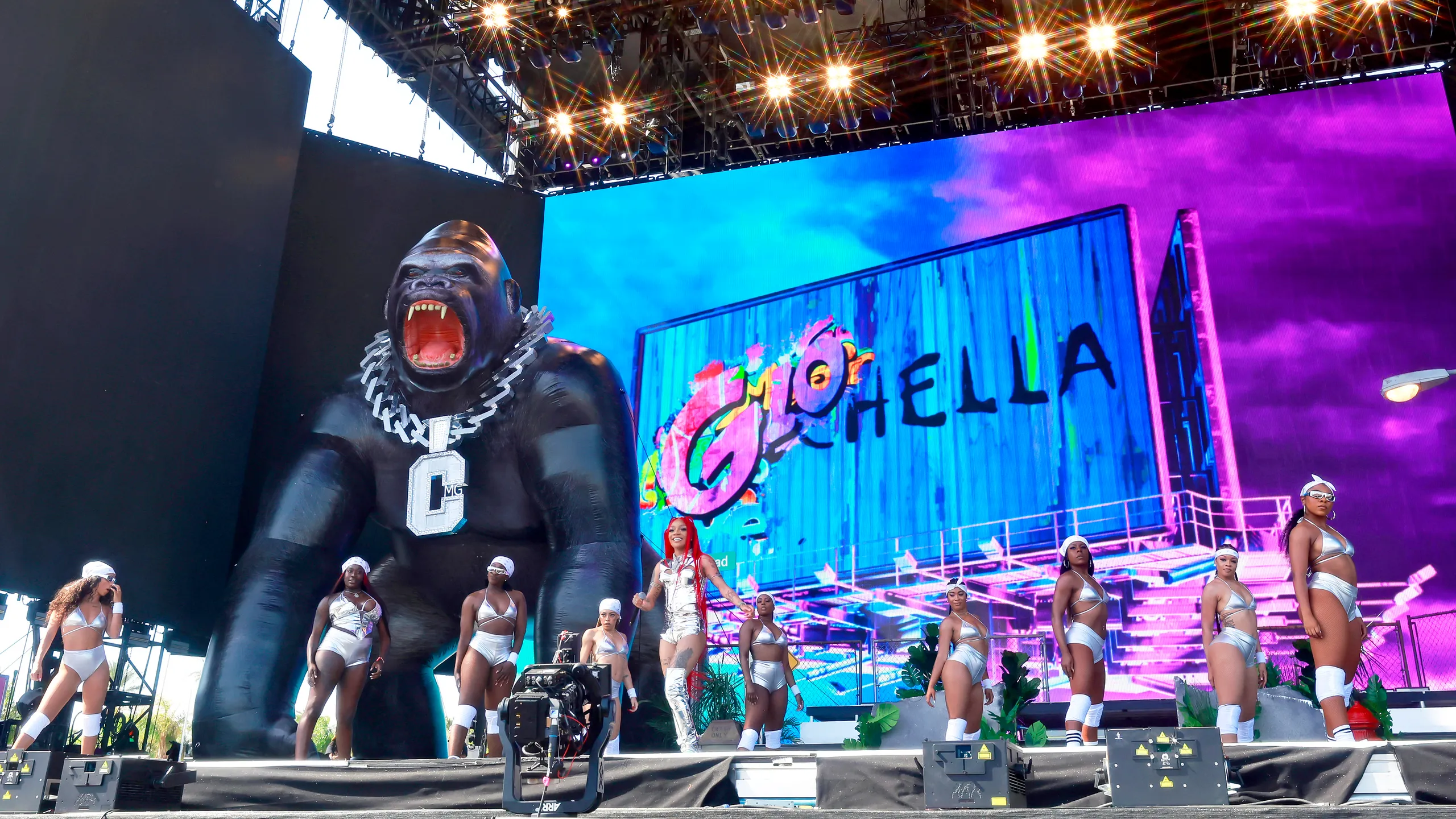
At the Coachella Valley Music and Arts Festival, some of the most enduring conversations in 2026 are not driven by the loudest performances, but by the most unexpected presences. One of the clearest examples comes from Justin Bieber, whose appearances continue to generate significant crowd pull and sustained online discussion—not through spectacle, but through subtlety.
What stands out is the contrast between expectation and execution. In an environment where many performances are designed to maximize visual intensity, surprise appearances and understated moments create a different kind of attention response. Instead of overwhelming the audience, they shift focus—drawing it inward rather than outward. That shift is often what makes the moment stick.
Subtlety works because it breaks the pattern. Festival audiences are conditioned to expect escalation: bigger production, louder reactions, and increasingly complex staging. When a familiar figure appears without heavy framing or excessive buildup, it interrupts that expectation. The result is not immediate overload, but concentrated attention. People notice because the moment feels unforced.
In Bieber’s case, the crowd reaction becomes part of the content itself. The visible response—surprise, recognition, and collective energy—often circulates faster than the performance details. What people share is not just the appearance, but the atmosphere it creates. That atmosphere becomes the viral unit, rather than any single song or visual cue.
This reflects a broader shift in how influence operates at live events. Attention is no longer dependent solely on scale or production value. It can be triggered by timing, familiarity, and restraint. In fact, moments that feel less constructed often travel further because they appear more authentic in a heavily curated environment.
At Coachella specifically, where density of content is extremely high, subtle moments stand out precisely because they are not competing for attention in obvious ways. They create contrast against the surrounding intensity, making them easier to isolate and circulate as clips.
The online response reinforces this pattern. Instead of a single dominant narrative, multiple smaller reactions emerge—memes, commentary, crowd footage, and reinterpretations. Over time, these fragments consolidate into a shared memory of “the moment,” even if no single version fully captures it.
What makes these appearances durable in conversation is replayability. Subtle moments often invite rewatching, not because they are immediately overwhelming, but because different details become noticeable over time. That layered recognition helps extend their lifespan in feeds long after the initial surge of attention.
Ultimately, “The Moments Everyone Is Still Talking About” reflects a change in how impact is created. In 2026, attention doesn’t always belong to the most engineered spectacle. Sometimes it belongs to the quiet interruption—the moment that doesn’t announce itself, but still manages to take over the conversation.