 By Jenna Rose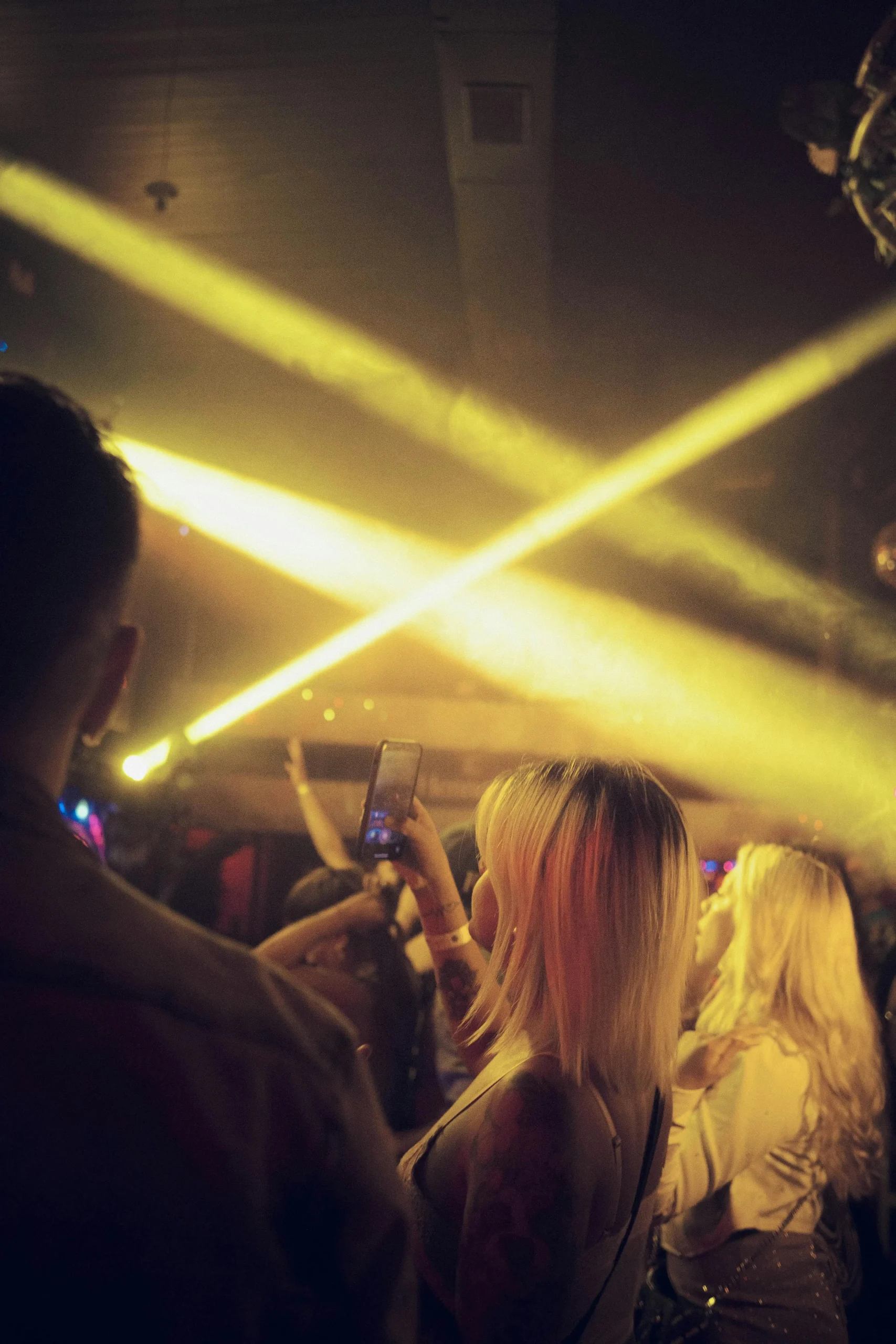
When people hear the word nightlife, the first images that often come to mind are crowded dance floors, loud music, flashing lights, and late-night parties. While that is certainly part of it, nightlife is much more than just entertainment or alcohol-driven socializing. In reality, nightlife is a reflection of culture, identity, creativity, and human connection.
Across the world—from neon-lit megacities to quiet coastal towns—nightlife has evolved into something deeper. It is where music is born, where cultures blend, where friendships form, and where people express themselves freely after the structure of the day fades away.
This article explores nightlife beyond the surface, focusing on its cultural meaning, musical influence, social importance, and how it shapes modern urban life.
Understanding Nightlife Beyond the Surface
Nightlife is often defined narrowly as bars, clubs, and parties. But in a broader sense, nightlife includes:
- Live music performances
- Cultural festivals and street events
- Night markets and food scenes
- Rooftop gatherings and lounges
- Art shows and creative performances
- Community social spaces
It is essentially the after-dark identity of a city.
In many ways, nightlife reflects the soul of a place. A city’s nightlife reveals how its people socialize, what music they love, how they express creativity, and how they connect with one another.
Nightlife as a Cultural Expression
Every city has a unique nightlife culture shaped by history, tradition, and lifestyle.
Music as Cultural Identity
Music is one of the strongest elements of nightlife. Whether it’s electronic dance music, jazz, hip-hop, or traditional live performances, music defines how people experience the night.
For example:
- In cities like Berlin, techno culture dominates underground clubs
- In New Orleans, jazz fills the streets and bars
- In Latin America, salsa and reggaeton drive social dancing scenes
- In Asia, K-pop, EDM, and live acoustic performances blend modern and traditional influences
Nightlife becomes a stage where cultural identity is expressed through rhythm and sound.
Local Traditions in Night Settings
In many countries, nightlife includes traditional elements:
- Night markets in Thailand and Taiwan
- Flamenco shows in Spain
- Cultural dance performances in Latin America
- Lantern festivals and evening gatherings in parts of Asia
These experiences show that nightlife is not just modern entertainment—it is also a continuation of cultural heritage.
Music: The Heartbeat of Nightlife
Music is what transforms ordinary spaces into nightlife experiences. It shapes mood, energy, and connection between people.
Live Music Venues
Live performances create an emotional connection that recorded music cannot replicate. Whether it’s a small acoustic set in a café or a full band in a concert hall, live music brings people together in shared experience.
DJs and Electronic Scenes
In global nightlife hubs, DJs are central figures. Electronic music scenes have become cultural movements, especially in cities like Ibiza, Tokyo, and London. These spaces are not just about dancing—they are about collective energy and rhythm.
Street Music and Open Spaces
Not all nightlife happens indoors. Street performers, buskers, and open-air concerts also define nightlife culture. These performances make cities feel alive after dark.
Nightlife as a Social Connector
One of the most powerful aspects of nightlife is its ability to connect people.
Building Friendships
Nightlife environments often encourage interaction between strangers. Shared experiences—whether dancing, eating, or listening to music—can lead to new friendships.
Strengthening Relationships
For couples and friends, nightlife provides quality time outside daily routines. It becomes a space for bonding, laughter, and shared memories.
Meeting New Cultures
In tourist-heavy cities, nightlife becomes a melting pot of cultures. Travelers and locals interact, exchange stories, and learn from each other.
The Rise of Experiential Nightlife
Modern nightlife is no longer limited to clubs and bars. It has evolved into experiential entertainment.
Rooftop Bars and Skyline Views
Cities like Dubai, Singapore, and Bangkok have transformed rooftops into luxury nightlife destinations. These spaces combine drinks, music, and breathtaking city views.
Immersive Night Experiences
Some nightlife venues now include:
- Themed environments
- Interactive performances
- Light shows and projections
- Art-inspired interiors
These experiences turn nightlife into something closer to performance art.
Night Markets and Food Culture
Food is a major part of nightlife in many countries. Night markets offer a mix of street food, local dishes, and social atmosphere.
Nightlife and Urban Identity
Nightlife plays a major role in shaping how cities are perceived globally.
Tourism and City Branding
Cities known for nightlife often attract millions of tourists. Nightlife becomes part of their global identity, influencing how people choose travel destinations.
Economic Impact
Nightlife contributes significantly to local economies through:
- Tourism revenue
- Hospitality industry growth
- Employment opportunities
- Entertainment industries
It supports artists, musicians, chefs, bartenders, and event organizers.
City Energy and Lifestyle
A city’s nightlife reflects its energy. Some cities are fast-paced and vibrant, while others are relaxed and intimate. This rhythm influences how people experience urban life.
The Emotional Side of Nightlife
Beyond entertainment, nightlife also carries emotional depth.
Escape and Release
For many people, nightlife offers an escape from daily stress. It provides a space to unwind, express emotions, and enjoy freedom.
Self-Expression
Fashion, music taste, dancing, and social behavior all become forms of self-expression at night. People often feel more confident and open in nightlife settings.
Reflection and Solitude
Not all nightlife is social. Some people enjoy quiet nighttime walks, late-night cafés, or solo experiences that allow reflection and peace.
Safety and Responsible Nightlife
While nightlife is enjoyable, it is important to approach it responsibly.
Personal Safety
- Stay aware of surroundings
- Travel in groups when possible
- Know transportation options in advance
Responsible Socializing
- Know your limits
- Respect local laws and customs
- Be mindful of others in shared spaces
A healthy nightlife culture balances enjoyment with responsibility.
Global Nightlife Destinations
Certain cities are globally recognized for their nightlife culture:
- Tokyo, Japan – Unique blend of futuristic clubs and traditional izakayas
- Berlin, Germany – Underground techno capital of the world
- Bangkok, Thailand – Street food, rooftop bars, and vibrant nightlife streets
- New York City, USA – Diverse nightlife from jazz clubs to mega clubs
- Barcelona, Spain – Beach clubs and late-night cultural energy
- Ibiza, Spain – World-famous electronic music destination
Each city offers a different interpretation of nightlife culture.
The Future of Nightlife
Nightlife continues to evolve with technology and lifestyle changes.
Digital Integration
- Cashless payments
- Virtual guest lists
- AI-powered music experiences
Wellness-Inspired Nightlife
A growing trend is sober nightlife—events focused on music, connection, and fun without alcohol.
Sustainable Nightlife
Eco-friendly venues are becoming more popular, focusing on reducing waste and energy consumption.
Final Thoughts
Nightlife is far more than parties and entertainment. It is a cultural ecosystem that reflects how people live, connect, and express themselves after dark.
It brings together music, art, food, and human interaction in ways that daytime life cannot replicate. Whether it is a crowded dance floor, a quiet rooftop bar, a night market, or a live music venue, nightlife represents freedom, creativity, and connection.
At its core, nightlife is about people. It is about shared moments, emotional release, cultural exchange, and the simple joy of being present in a living, breathing city at night.
And that is why nightlife will always be more than just parties—it is culture in motion after sunset.