 By Nat Feury
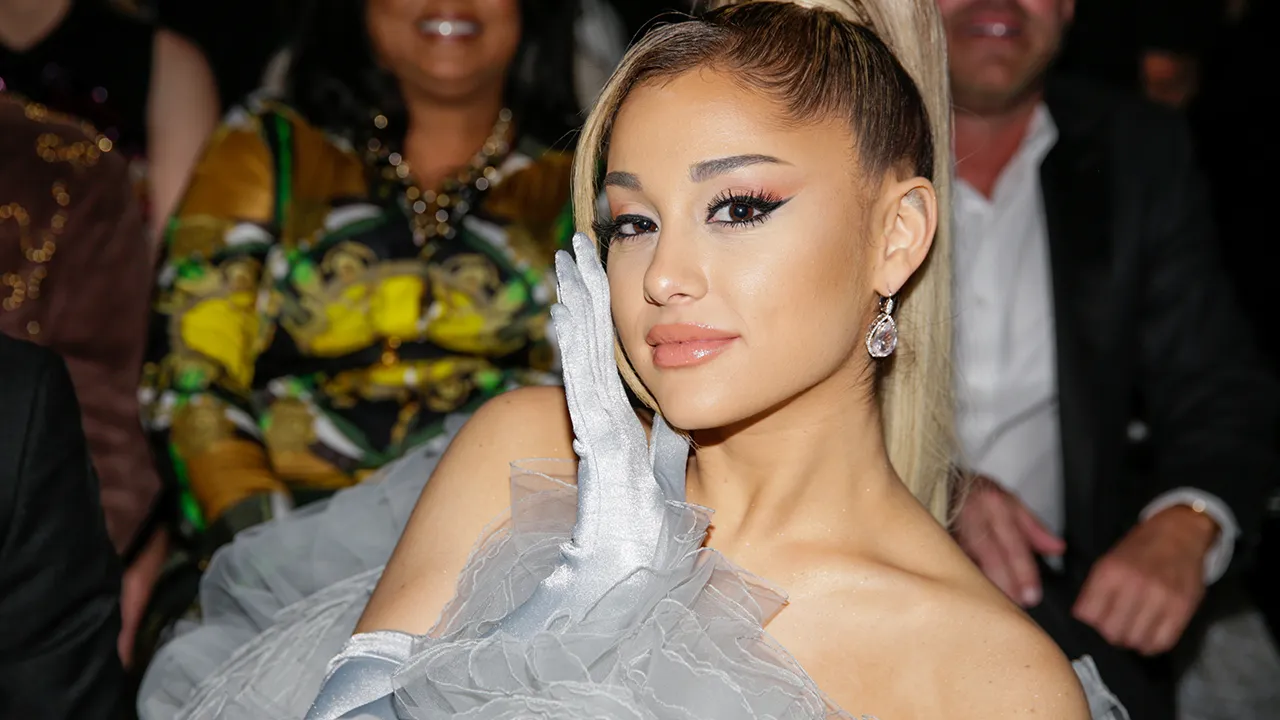
In 2026, entertainment coverage no longer ends when an event concludes. In many cases, the actual moment—an interview, performance, or public appearance—is only the starting point. What follows is a second life built through clips, edits, reposts, and commentary that circulate across platforms long after the original event has ended.
This extended lifecycle has changed how entertainment is consumed. Audiences are no longer relying solely on full broadcasts or complete interviews. Instead, short clips and highlight moments dominate attention, often becoming the most widely viewed version of an event. These fragments are then reshared across platforms, creating a continuous loop of visibility.
The speed at which content spreads plays a major role in this shift. Within hours, a single moment can be cut, captioned, and recontextualized in multiple formats. Each version may emphasize a different angle—humor, drama, surprise, or relatability—allowing the same clip to exist in multiple interpretations simultaneously.
Public figures such as Ariana Grande and Harry Styles frequently appear in these viral cycles, where brief moments from performances or interviews are widely shared and discussed far beyond their original context.
One of the key reasons clips outlive events is their adaptability. Short-form content is easy to remix, meme, and comment on, making it ideal for engagement-driven platforms. A single reaction, gesture, or line can be transformed into multiple narratives depending on how audiences choose to interpret it.
Social media algorithms further extend this lifespan by continuously resurfacing high-performing content. Even after the original event has faded from news coverage, popular clips can continue circulating based on engagement metrics rather than chronological relevance.
This has also changed the relationship between creators and audiences. Performers are now aware that any moment can be isolated and redistributed, influencing how they present themselves in public settings. Every gesture has the potential to become a standalone piece of content.
At the same time, audiences have become active editors of entertainment culture. Through editing, reposting, and commentary, users collectively decide which moments are amplified and how they are framed. This participatory dynamic gives viral clips a life beyond official media channels.
However, this constant fragmentation can also detach moments from their original context. As clips are separated from full events, interpretation becomes more flexible, sometimes leading to misunderstandings or exaggerated narratives.
Despite this, viral clips remain central to modern entertainment culture. They condense emotion, humor, and spectacle into easily shareable formats, making them one of the most powerful drivers of attention in the digital media landscape.
In this environment, entertainment is no longer defined by the event itself, but by how it is remembered, reshared, and reinterpreted across the internet long after it has ended.
References
- https://www.pewresearch.org/internet/
- https://reutersinstitute.politics.ox.ac.uk/digital-news-report
- https://variety.com
- https://www.hollywoodreporter.com
- https://www.technologyreview.com
- https://hbr.org
- https://cyber.fsi.stanford.edu/io