 By Jenna Rose
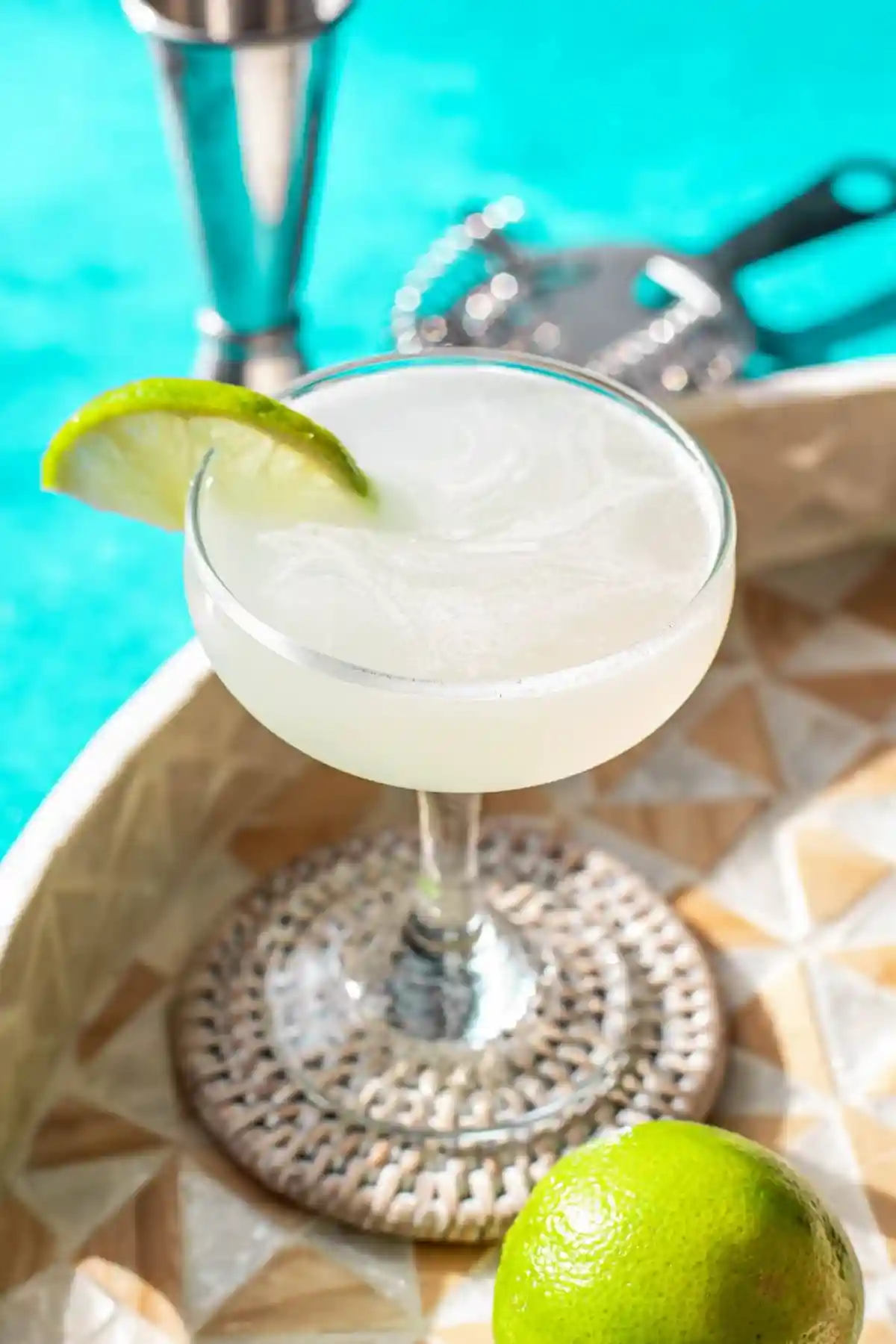
The Timeless Appeal of the Daiquiri Cocktail
Few cocktails have achieved the level of simplicity, elegance, and lasting popularity of the Daiquiri. Made with only three essential ingredients — light rum, fresh lime juice, and simple syrup — this classic drink proves that a great cocktail does not need to be complicated to become iconic.
The Daiquiri has remained a favorite among bartenders, cocktail enthusiasts, and casual drinkers for more than a century. Its refreshing combination of sweetness, acidity, and smooth rum creates a perfectly balanced drink that works in almost any setting, from a beachside bar to an upscale cocktail lounge.
While modern cocktail culture often celebrates elaborate creations with unusual ingredients and complex techniques, the Daiquiri represents the beauty of simplicity. Every ingredient has a purpose, and the final result depends on achieving the perfect balance between flavors.
Today, the Daiquiri continues to appear on cocktail menus around the world, inspiring countless variations while maintaining its reputation as one of the most important classic rum cocktails in history.
The Origins of the Daiquiri: A Cocktail Born in Cuba
The story of the Daiquiri begins in Cuba, where the cocktail is believed to have been created near the town of Daiquirí during the late 19th century. The drink’s origins are often connected to American mining engineer Jennings Cox, who was working in Cuba during the Spanish-American War era.
According to popular history, Cox created the drink when he needed to serve guests but had limited ingredients available. Using local rum, fresh lime juice, and sugar, he created a refreshing cocktail that eventually became known as the Daiquiri after the nearby mining town.
Over time, the drink gained popularity beyond Cuba, especially among travelers and cocktail enthusiasts who appreciated its refreshing tropical character. The combination of Caribbean rum and fresh citrus reflected the flavors and atmosphere of the region.
The Daiquiri’s reputation grew even further during the early 20th century when it became popular among writers, travelers, and influential figures who helped introduce the cocktail to wider audiences.
One of the most famous supporters of the Daiquiri was American writer Ernest Hemingway, who became associated with a variation known as the Hemingway Daiquiri. His appreciation for the drink helped strengthen its reputation as a sophisticated and memorable cocktail.
Understanding the Three Essential Ingredients
The beauty of a classic Daiquiri comes from its simplicity. Unlike cocktails that require numerous ingredients, the Daiquiri relies on three basic components that work together to create a balanced flavor profile.
Light Rum: The Foundation of the Cocktail
Light rum is the heart of the Daiquiri. Unlike darker or aged rums that provide deeper caramel and spice notes, light rum offers a cleaner and smoother flavor that allows the citrus and sweetness to shine.
A quality light rum provides subtle sweetness and a mild character that blends perfectly with fresh lime juice. Since the cocktail contains only a few ingredients, choosing a good rum can make a noticeable difference in the final taste.
Bartenders often recommend using a rum that is smooth enough to enjoy on its own because the spirit remains an important part of the cocktail’s overall flavor.
Fresh Lime Juice: The Key to Bright Flavor
Fresh lime juice gives the Daiquiri its signature refreshing quality. The acidity from the lime balances the sweetness of the simple syrup while adding a bright, citrus flavor.
Using freshly squeezed lime juice is essential because bottled lime juices often lack the natural aroma and freshness that make the Daiquiri special.
The lime is not simply an additional flavor; it is one of the main elements that creates the cocktail’s balance. Without enough acidity, the drink can taste overly sweet. With too much lime, the rum and sweetness may become overwhelmed.
Finding the right balance is what separates an average Daiquiri from an exceptional one.
Simple Syrup: Creating the Perfect Sweetness
Simple syrup provides the sweetness needed to balance the tartness of the lime juice. Traditionally made by combining equal parts sugar and water, simple syrup dissolves easily into cocktails and creates a smooth texture.
The amount of syrup used can be adjusted depending on personal preference. Some drinkers prefer a sweeter Daiquiri, while others enjoy a sharper citrus-forward version.
Professional bartenders understand that the goal is not to make the drink simply sweet but to create harmony between all three ingredients.
The Classic Daiquiri Recipe: A Perfect Balance of Flavors
A traditional Daiquiri recipe focuses on maintaining the right proportions between rum, lime juice, and sweetness.
The classic preparation typically includes:
Two ounces of light rum, one ounce of fresh lime juice, and three-quarters of an ounce of simple syrup.
The ingredients are combined with ice and shaken vigorously until the cocktail becomes properly chilled. The shaking process is important because it blends the flavors while creating the ideal temperature and texture.
After shaking, the drink is strained into a chilled cocktail glass, usually a coupe or martini-style glass. The result is a smooth, refreshing cocktail with a balance of sweetness, acidity, and rum character.
Although the recipe appears simple, the technique matters. A properly made Daiquiri should taste refreshing rather than overly sweet, with each ingredient contributing equally to the final experience.
Why Shaking Matters in a Daiquiri
The shaking process is one of the most important steps when preparing a Daiquiri. Unlike cocktails that are stirred, drinks containing citrus juice benefit from vigorous shaking because it helps combine the ingredients and creates a more balanced texture.
When shaken with ice, the cocktail becomes chilled quickly while a small amount of dilution helps soften the alcohol and blend the flavors together.
A well-shaken Daiquiri should feel smooth and refreshing, with a slightly silky texture. The ice does more than simply cool the drink; it plays a role in creating the final balance.
Professional bartenders often emphasize that technique can transform simple ingredients into an exceptional cocktail. The Daiquiri is a perfect example of how preparation methods influence the drinking experience.
The Daiquiri’s Role in Cocktail History
The Daiquiri is considered one of the foundational cocktails that helped shape modern mixology. Its influence can be seen in countless citrus-based drinks that followed, including many rum cocktails that use similar principles of balancing spirits, acidity, and sweetness.
The drink represents an important philosophy in cocktail making: quality ingredients and proper balance matter more than complexity.
Many classic cocktails have survived generations because they remain adaptable. The Daiquiri can be enjoyed exactly as it was originally created or modified with new flavors while maintaining its essential character.
Its continued presence in bars around the world proves that some cocktails never lose their appeal.
The Evolution of the Daiquiri Through the Years
Although the classic Daiquiri remains a simple combination of light rum, fresh lime juice, and simple syrup, the cocktail has evolved significantly over the years. Bartenders around the world have experimented with different ingredients, techniques, and presentations while preserving the drink’s original balance.
One of the reasons the Daiquiri has remained popular is its ability to adapt. While some classic cocktails are closely tied to a specific recipe, the Daiquiri provides a foundation that allows creativity. By adding fruits, herbs, or different types of rum, bartenders can create new interpretations without losing the spirit of the original drink.
The frozen Daiquiri became one of the most recognizable variations, especially during the rise of tropical cocktail culture. Unlike the traditional shaken version served in a chilled glass, frozen Daiquiris blend ingredients with ice to create a refreshing, slushy texture.
Fruit-based versions featuring flavors such as strawberry, mango, and banana also became popular, particularly in beach resorts and vacation destinations. While these versions are often sweeter and more colorful, they helped introduce the Daiquiri to new generations of cocktail drinkers.
However, many cocktail experts continue to appreciate the classic Daiquiri because it represents the purest expression of the drink. With only three ingredients, there is nowhere for mistakes to hide. Every detail, from the quality of the rum to the freshness of the lime, affects the final result.
The Difference Between a Classic Daiquiri and Modern Variations
The classic Daiquiri is often misunderstood because many people associate the name with frozen fruit drinks served at vacation resorts. While those versions can be enjoyable, the original cocktail is much more refined and focused.
A traditional Daiquiri is a shaken cocktail with a smooth texture and a balanced combination of flavors. It highlights the character of the rum while allowing the lime and sweetness to create harmony.
Modern variations often introduce additional ingredients to create different experiences. Some bartenders may use aged rum for a richer flavor, replace simple syrup with alternative sweeteners, or add seasonal fruits to create unique versions.
These variations demonstrate the versatility of the Daiquiri while also showing why the original recipe remains respected among cocktail professionals.
For those discovering the drink for the first time, many bartenders recommend starting with the classic version before exploring variations. Understanding the original recipe makes it easier to appreciate how different ingredients change the cocktail’s personality.
The Hemingway Daiquiri: A Famous Twist on the Classic
One of the most well-known variations of the Daiquiri is the Hemingway Daiquiri, named after American author Ernest Hemingway, who developed a strong connection with Cuba and its cocktail culture.
The Hemingway Daiquiri, also known as the Papa Doble, is typically made with white rum, grapefruit juice, lime juice, and maraschino liqueur. Compared with the classic Daiquiri, it has a sharper citrus profile and a more complex flavor.
Hemingway was known for preferring less sweetness in his drinks, which influenced the creation of this variation. The cocktail became associated with his time in Cuba and remains popular among people interested in literary and cocktail history.
The popularity of the Hemingway Daiquiri helped introduce the original drink to a wider audience. It demonstrated how a classic cocktail could evolve while maintaining a connection to its origins.
How to Make a Bar-Quality Daiquiri at Home
Making a professional-quality Daiquiri at home does not require expensive equipment or complicated techniques. The key is paying attention to ingredient quality and balance.
The first step is choosing a good light rum. Since rum is one of the main components of the drink, selecting a smooth and clean spirit will improve the overall flavor.
Fresh lime juice is equally important. Squeezing fresh limes shortly before preparing the cocktail creates a brighter and more natural citrus flavor compared with pre-made juices.
Simple syrup is easy to prepare at home by combining sugar and water until the sugar dissolves. Many cocktail enthusiasts prefer homemade syrup because it allows control over sweetness and consistency.
Once the ingredients are prepared, the cocktail should be shaken with plenty of ice. A strong shake helps chill the drink, combine the flavors, and create the smooth texture associated with a well-made Daiquiri.
Finally, serving the drink in a chilled glass enhances the experience. The presentation may be simple, but the result is a cocktail that feels elegant and refreshing.
Common Mistakes When Making a Daiquiri
Although the Daiquiri has a simple recipe, small mistakes can affect the final result.
One common mistake is using bottled lime juice instead of fresh lime juice. Since citrus is one of the main flavors, freshness makes a significant difference.
Another mistake is adding too much sweetness. The purpose of simple syrup is to balance the lime, not overpower it. A great Daiquiri should have a refreshing combination of sweet and tart flavors.
Using poor-quality rum can also affect the drink. Since there are only three ingredients, each one plays an important role. A low-quality spirit can easily become noticeable.
Some people also underestimate the importance of shaking. Simply mixing the ingredients together does not create the same texture or temperature as properly shaking the cocktail with ice.
The Daiquiri may be simple, but making it well requires attention to detail.
Why the Daiquiri Remains Popular Today
The continued popularity of the Daiquiri comes from its timeless qualities. It is refreshing, easy to understand, and adaptable while still maintaining a strong connection to cocktail history.
In an era when many drinks focus on unusual ingredients and complicated presentations, the Daiquiri reminds people that simplicity can create excellence.
Modern cocktail bars continue featuring the Daiquiri because it allows bartenders to demonstrate their skills. Creating a balanced drink from only three ingredients requires precision and understanding.
The cocktail also appeals to different types of drinkers. Those new to cocktails can appreciate its approachable flavors, while experienced enthusiasts can admire its craftsmanship and history.
The Daiquiri has survived because it represents the foundation of good cocktail making: quality ingredients, proper technique, and balance.
The Daiquiri’s Place in Modern Cocktail Culture
Today, the Daiquiri continues appearing on menus in some of the world’s best cocktail bars. Its influence can be seen in the way bartenders approach drink creation, particularly when balancing spirits with fresh citrus and sweetness.
Many mixologists view the Daiquiri as a test of skill. Because the recipe is straightforward, there is no opportunity to hide behind unnecessary ingredients. A well-made Daiquiri demonstrates a bartender’s understanding of flavor balance.
The cocktail has also become popular among home bartenders because it offers an accessible introduction to mixology. Learning how to make a Daiquiri teaches important principles that apply to many other cocktails.
From casual gatherings to sophisticated cocktail lounges, the Daiquiri continues proving that classic drinks can remain relevant in changing times.
Conclusion: Why the Daiquiri Will Always Be a Cocktail Classic
The Daiquiri’s journey from a Cuban creation to an internationally recognized cocktail shows the lasting power of simplicity and balance.
With just three essential ingredients — light rum, fresh lime juice, and simple syrup — the drink delivers a refreshing experience that has remained popular for generations.
Its history, versatility, and influence on modern cocktail culture have secured its place as one of the most important classic rum cocktails in the world.
Whether enjoyed in its traditional form or explored through modern variations, the Daiquiri continues to represent what makes great cocktails special: carefully chosen ingredients, thoughtful preparation, and a perfect balance of flavors.
More than a simple rum drink, the Daiquiri is a piece of cocktail history that continues inspiring bartenders and drink lovers around the globe.