 By Jenna Rose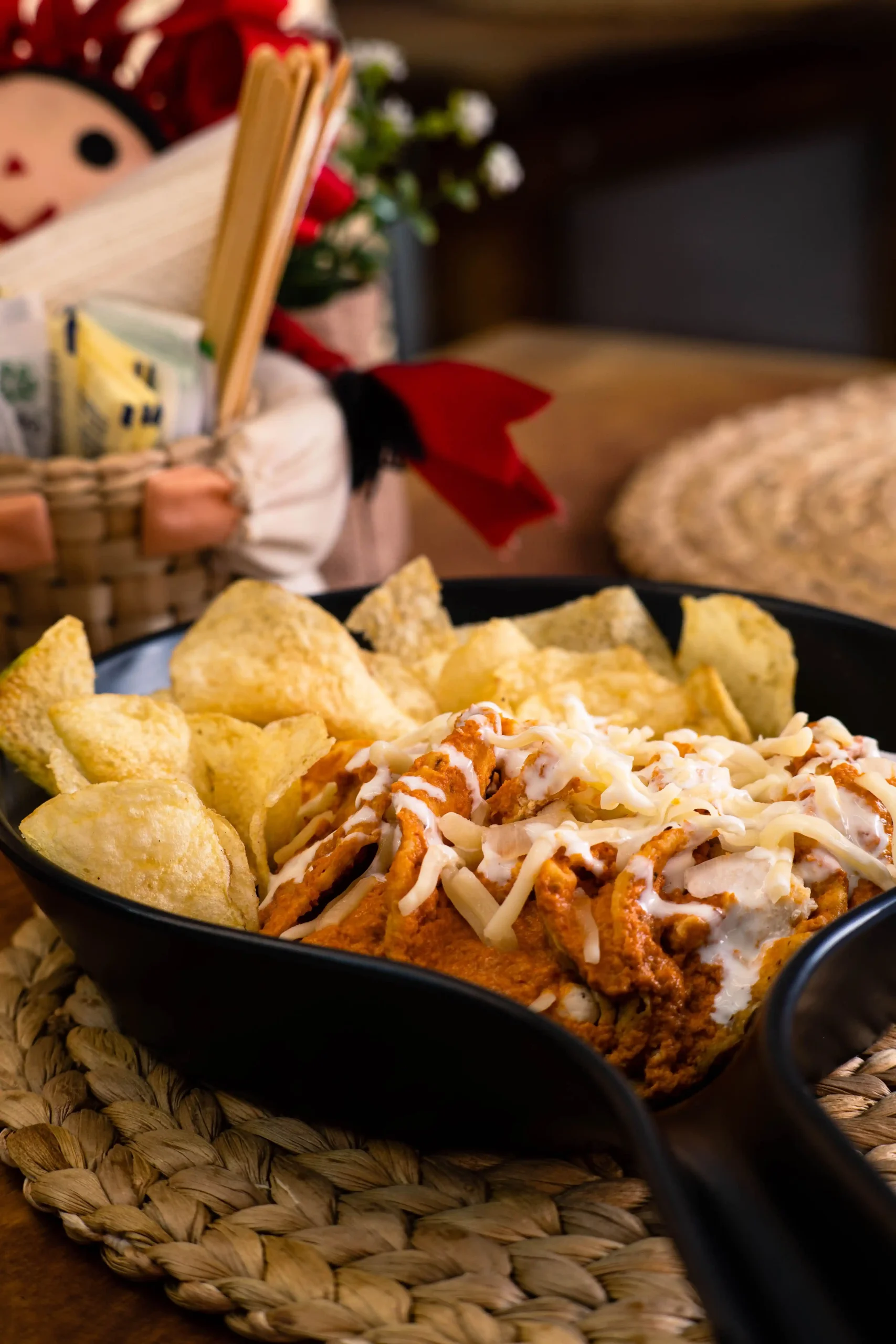
There is something special about comfort food. It does not have to be complicated, expensive, or made with dozens of ingredients to make you feel at home. Sometimes, the most satisfying meals come from simple ingredients that have been transformed into something warm, flavorful, and familiar. In Mexico, one dish that perfectly captures this idea is chilaquiles.
Chilaquiles are a beloved Mexican comfort food made with tortilla chips or pieces of fried corn tortillas that are simmered or tossed in salsa until they become tender while still retaining some texture. The dish is commonly finished with toppings such as Mexican crema, cheese, sliced onions, avocado, cilantro, eggs, shredded chicken, or other ingredients. The result is a colorful, flavorful meal that can be enjoyed for breakfast, brunch, lunch, or even as a comforting meal at any time of day.
What makes chilaquiles particularly special is their ability to turn everyday ingredients into a dish that feels generous and satisfying. Crispy tortillas, flavorful salsa, creamy toppings, and fresh garnishes come together in a way that is both rustic and delicious. For many people, chilaquiles are more than just a plate of food. They represent tradition, family meals, creativity, and the comforting flavors of Mexican cooking.
What Are Chilaquiles?
At their simplest, chilaquiles are tortilla chips cooked with salsa. That description may sound incredibly basic, but the beauty of the dish lies in how those ingredients work together.
Traditional chilaquiles begin with corn tortillas that are cut into pieces and fried until crisp. These tortilla pieces are then combined with salsa. Depending on the recipe, the chips may be quickly tossed in the salsa or allowed to simmer longer. The cooking time affects the texture. Some people prefer their chilaquiles to remain slightly crunchy, while others enjoy softer tortillas that absorb more of the salsa.
The dish is typically finished with toppings that add contrasting flavors and textures. Crumbled or shredded cheese, crema, onions, cilantro, avocado, and eggs are common choices. Chicken or other proteins can also be added to make the meal more substantial.
There is no single way to prepare chilaquiles, which is part of what makes them so appealing. Different households, restaurants, and regions may prepare the dish differently, using their own preferred salsa, toppings, and cooking techniques.
Why Chilaquiles Are Considered Comfort Food
Comfort food is often connected to familiarity. It reminds us of meals we have enjoyed with family, lazy weekend mornings, celebrations, or simply those days when we want something warm and satisfying.
Chilaquiles fit that description perfectly.
The dish combines familiar ingredients in a way that feels hearty without being overly complicated. The warm salsa brings bold flavor to the tortillas, while crema and cheese provide richness. Fresh onions and herbs add brightness, creating a balance that keeps the dish from feeling too heavy.
There is also something comforting about the texture. Depending on how the chilaquiles are prepared, you can get crispy tortilla edges alongside pieces softened by salsa. Every bite can have a slightly different combination of crunch, spice, creaminess, and freshness.
That contrast is one of the reasons chilaquiles can feel so satisfying. They are not trying to be fancy. They are simply delicious.
The Importance of Salsa in Chilaquiles
Salsa is arguably one of the most important components of chilaquiles because it determines much of the dish’s flavor.
Two of the most familiar versions are chilaquiles rojos and chilaquiles verdes. Chilaquiles rojos are made with red salsa, while chilaquiles verdes use green salsa. The flavor of each depends on the ingredients used to prepare the salsa.
Red salsa may feature tomatoes, dried or fresh chiles, garlic, onion, and seasonings. Green salsa often uses ingredients such as tomatillos, green chiles, onion, cilantro, and other seasonings. The result can range from mild and tangy to spicy and intensely flavorful.
This gives cooks plenty of room for creativity. A family may have a favorite salsa recipe that has been prepared for years, while a restaurant might create its own version to give its chilaquiles a distinctive flavor.
The salsa is also what transforms ordinary tortilla chips into something completely different. Instead of simply eating chips with salsa on the side, the tortillas become part of the dish itself, absorbing the flavors while changing texture.
Chilaquiles Rojos vs. Chilaquiles Verdes
One of the most enjoyable debates among chilaquiles fans is whether red or green salsa makes the better version.
Chilaquiles rojos have a rich, savory appearance and can have a deeper chile and tomato flavor depending on the recipe. They are often topped with crema, cheese, onions, and other familiar garnishes.
Chilaquiles verdes have a brighter color and often have a tangy flavor because of the tomatillos commonly used in green salsa. The freshness of the salsa can pair particularly well with creamy toppings and avocado.
Neither version needs to be complicated. In fact, part of the appeal of chilaquiles is that the dish can be adjusted according to personal taste.
Some people like extra salsa and softer tortillas. Others prefer only enough salsa to coat the chips while keeping plenty of crunch. Some add spicy peppers, while others choose a milder salsa.
That flexibility makes chilaquiles a dish that can easily become your own.
The Toppings Make the Dish
While tortilla chips and salsa create the foundation, toppings take chilaquiles to another level.
Crema adds a cool, creamy element that balances the heat and acidity of the salsa. Cheese brings saltiness and richness, while sliced onions provide a crisp bite. Fresh cilantro can contribute an herbal note, and avocado adds creaminess and texture.
Eggs are another popular addition, particularly when chilaquiles are served for breakfast or brunch. A fried egg with a soft yolk can add another layer of richness to the dish.
Shredded chicken is also commonly used when a heartier meal is desired. Depending on the recipe, other toppings and accompaniments may be added as well.
This is one of the reasons chilaquiles are so versatile. The basic dish remains recognizable, but the toppings can completely change the experience.
Chilaquiles for Breakfast and Brunch
In many places, chilaquiles are strongly associated with breakfast and brunch. They are particularly appealing as a morning meal because they are filling and full of flavor.
A plate of warm chilaquiles topped with eggs, crema, cheese, onions, and avocado can turn an ordinary morning into something that feels special. The combination is substantial enough to keep you satisfied while still having the familiar qualities of a home-style meal.
Chilaquiles have also become increasingly popular on restaurant brunch menus outside Mexico. Their colorful appearance makes them visually appealing, but their popularity goes beyond presentation. People are drawn to the combination of textures and bold Mexican flavors.
Still, chilaquiles do not have to be limited to breakfast. There is no reason you cannot enjoy them for lunch, dinner, or a late-night comfort meal.
A Dish That Makes Good Use of Simple Ingredients
Another reason chilaquiles have such strong comfort-food appeal is that the dish can make excellent use of ingredients that might already be available in the kitchen.
Corn tortillas can be transformed into chips rather than thrown away when they are no longer at their freshest. Leftover salsa can become the main flavoring for the dish. Eggs, cheese, crema, onions, beans, chicken, and vegetables can all be used to build a more substantial meal.
This practical quality is an important part of the appeal of many traditional comfort foods. They often demonstrate how cooks can take simple ingredients and create something satisfying without requiring luxury ingredients.
Chilaquiles are a perfect example of that kind of cooking. They are flavorful because of thoughtful preparation, not because they need an expensive ingredient list.
The Cultural Comfort of Chilaquiles
Food is often connected to memory, and chilaquiles have a strong connection to Mexican food culture and family traditions.
For some people, chilaquiles may remind them of weekend breakfasts with family. For others, the dish may bring back memories of a favorite restaurant, a home kitchen, or a particular salsa recipe.
That emotional connection is what makes comfort food so meaningful. It is not only about taste. It is also about the experiences surrounding the meal.
A plate of chilaquiles can become part of a family routine. Someone prepares the salsa, another person cooks the tortillas, and everyone adds their favorite toppings. The meal becomes an opportunity to sit together and enjoy food without rushing.
Even when prepared in a modern kitchen far from Mexico, chilaquiles can still provide a connection to traditional Mexican flavors.
How to Make Chilaquiles at Home
One of the best things about chilaquiles is that you do not need to be an experienced cook to make a satisfying version at home.
Start with tortilla chips or freshly fried corn tortilla pieces. Prepare your preferred red or green salsa. Heat the salsa in a pan, then add the tortilla chips. Toss them gently so the salsa coats the tortillas evenly.
The key is to pay attention to texture. If you want crunchy chilaquiles, keep the cooking time relatively short. If you prefer softer tortillas, allow them to absorb more of the salsa.
Once the tortillas reach your preferred texture, transfer them to a plate and add toppings. Crema, cheese, onions, cilantro, avocado, and eggs are all excellent choices. Add shredded chicken or another protein if you want a more substantial meal.
The beauty of homemade chilaquiles is that you can adjust almost everything. Make the salsa spicier, use less salsa, add more cheese, or pile on fresh toppings. There is plenty of room to experiment while still maintaining the character of the dish.
Why Texture Matters So Much
One detail that can make or break chilaquiles is texture.
Some people expect the tortilla chips to remain crispy, while others believe the best chilaquiles are soft and thoroughly coated in salsa. There is no universal answer because texture is largely a matter of personal preference.
The important thing is understanding that the tortillas continue to soften as they sit in the salsa. This means chilaquiles are best served soon after preparation if you want to preserve a combination of crispy and tender textures.
For a restaurant-style presentation, the toppings are often added immediately before serving. This allows the warm tortillas and salsa to contrast with cool crema, fresh onions, creamy avocado, and other garnishes.
It is that combination of textures that makes every bite interesting.
Chilaquiles Show the Creativity of Mexican Cuisine
Mexican cuisine is often celebrated for its bold flavors, colorful ingredients, and deep culinary traditions. Chilaquiles demonstrate another important quality: creativity.
The dish does not require an elaborate cooking technique. Instead, it shows how cooks can transform familiar ingredients through timing, seasoning, texture, and presentation.
A simple tortilla becomes a crispy base. Salsa provides moisture and flavor. Cheese and crema add richness. Fresh toppings provide contrast. Eggs or chicken can turn the dish into a complete meal.
The result is much more than the sum of its parts.
This kind of cooking is one reason traditional comfort foods remain popular across generations. They are adaptable without losing their identity.
Chilaquiles in Modern Food Culture
Today, chilaquiles can be found in traditional Mexican kitchens as well as contemporary restaurants. Chefs and home cooks continue to experiment with different salsas, toppings, proteins, and presentation styles.
Some modern versions may look more elaborate than the home-style dishes many people grew up eating. Yet the basic idea remains recognizable: tortilla pieces combined with salsa and finished with flavorful toppings.
The dish has also become a popular choice for people exploring Mexican cuisine for the first time. Its ingredients are approachable, but the combination introduces diners to several important elements of Mexican cooking, including corn tortillas, chiles, salsa, crema, cheese, and fresh garnishes.
That balance between tradition and adaptability is part of what keeps chilaquiles relevant.
Why Chilaquiles Feel Like Home
There is a reason people return to comfort foods again and again. They offer something familiar when everything else feels busy or uncertain.
Chilaquiles have that quality. A warm plate of tortillas covered in flavorful salsa and finished with favorite toppings can be simple enough for an ordinary morning but special enough for a weekend meal with family.
The dish also invites personalization. Everyone at the table can have their own preferred combination of salsa, toppings, spice level, and texture.
Ultimately, that may be the biggest secret behind the popularity of chilaquiles. They are not trying to be perfect. They are meant to be enjoyed.
The Last Bite
Chilaquiles represent everything people love about Mexican comfort food: simple ingredients, bold flavors, satisfying textures, and a strong connection to tradition. Whether you prefer chilaquiles rojos or chilaquiles verdes, extra crispy tortillas or softer pieces, a fried egg on top or plenty of cheese and crema, the dish can be adapted to suit your taste.
More importantly, chilaquiles show how food can carry memories and bring people together. What begins as tortillas and salsa can become a meal associated with family breakfasts, weekend gatherings, favorite restaurants, and cherished traditions.
That is what makes chilaquiles more than just a popular Mexican dish. They are a reminder that comfort food does not need to be complicated. Sometimes, the most memorable meals are the ones that take simple ingredients, add a little creativity, and bring everyone to the table.