 By Jenna Rose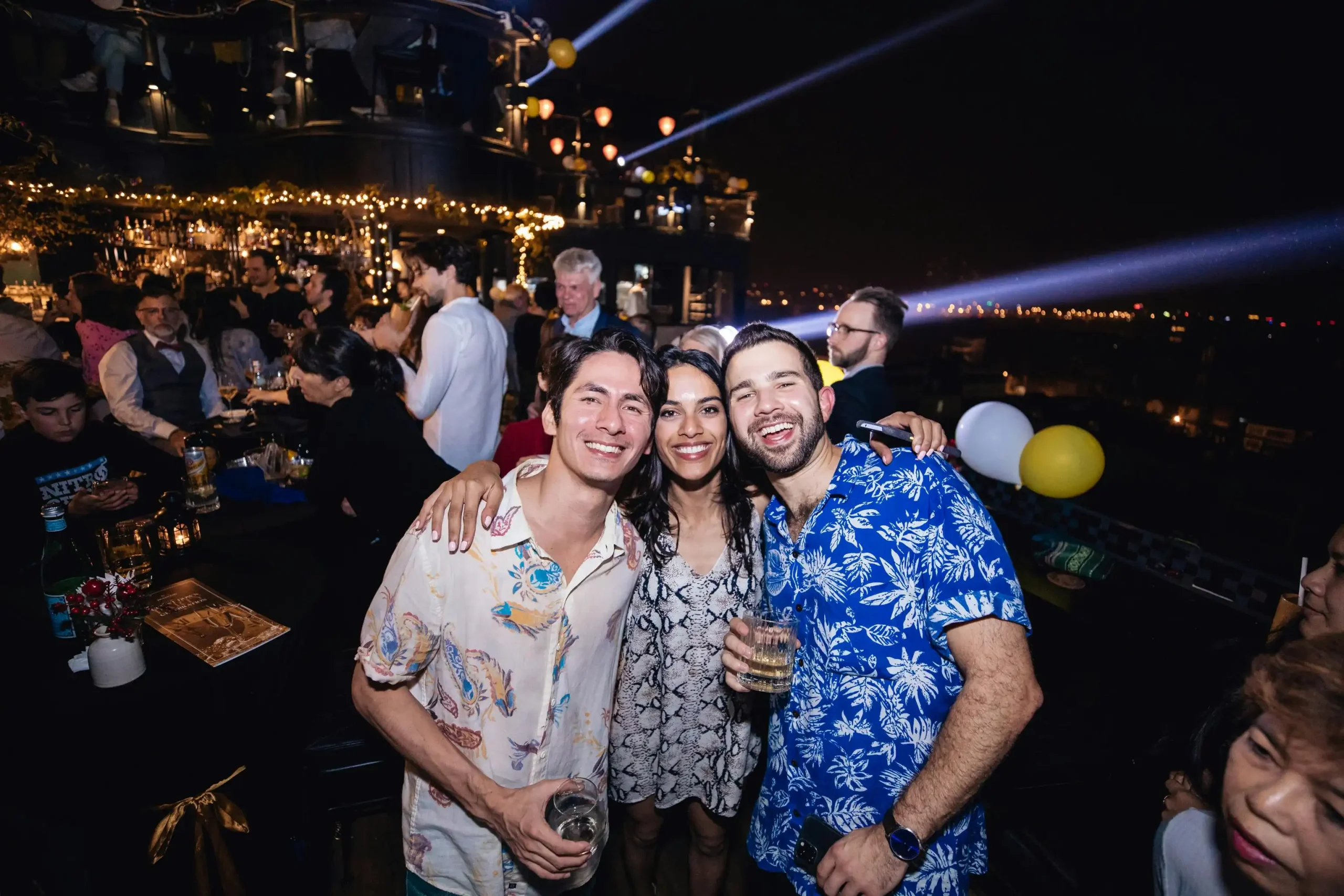
Luxury nightlife represents the highest level of entertainment after dark, where exclusivity, atmosphere, and premium service come together to create unforgettable experiences. Unlike standard bars and casual clubs, VIP clubs and rooftop lounges are designed for guests who seek more than just music and drinks. They offer curated environments where every detail—from lighting and music to seating and service—is carefully crafted to reflect sophistication and status.
In major cities around the world, luxury nightlife has become a defining feature of urban culture. Whether it’s sipping handcrafted cocktails overlooking a glittering skyline or enjoying private table service in a world-famous club, these experiences are no longer just about partying. They are about lifestyle, identity, and social influence.
This article explores the world of VIP clubs and rooftop lounges, how they operate, what makes them different from regular nightlife venues, and why luxury nightlife continues to grow in popularity among travelers, influencers, and high-profile guests.
What Defines Luxury Nightlife?
Luxury nightlife is characterized by exclusivity, premium service, and an elevated atmosphere. It goes beyond entertainment and focuses on delivering a complete sensory experience.
Several key elements define luxury nightlife venues:
First, exclusivity is central. Entry is often controlled through guest lists, reservations, or membership systems. Some venues only allow VIP table bookings, ensuring a controlled and curated crowd.
Second, service quality is significantly higher than standard venues. Guests often receive dedicated servers, personal hosts, and bottle service that includes premium spirits and customized presentations.
Third, design and ambiance play a major role. Luxury clubs and lounges invest heavily in interior design, lighting systems, and sound engineering to create immersive environments.
Finally, reputation and branding matter. Many luxury nightlife venues are associated with celebrities, influencers, and global travelers, which further enhances their prestige.
Together, these elements create a nightlife experience that feels exclusive, polished, and highly desirable.
The Rise of VIP Clubs
VIP clubs have become a global phenomenon, especially in cities known for entertainment and tourism such as Las Vegas, Dubai, New York, London, Ibiza, and Tokyo.
These clubs cater to guests who are willing to pay for privacy, comfort, and elite service. Unlike traditional nightclubs where guests stand on crowded dance floors, VIP clubs offer private tables, bottle service, and personalized attention.
The VIP Experience
The VIP experience typically begins at the entrance. Guests with reservations are escorted past general admission lines, emphasizing exclusivity from the start. Once inside, they are guided to private tables or lounges separated from the main crowd.
Bottle service is a signature feature of VIP clubs. Instead of ordering individual drinks at a bar, guests purchase entire bottles of premium alcohol, often accompanied by mixers, garnishes, and elaborate presentations.
Some venues even include personal hosts who manage every aspect of the guest experience, from drink refills to music requests and table arrangements.
Why VIP Clubs Are So Popular
VIP clubs appeal to people for several reasons. For some, it is about social status and visibility. Being seen in a VIP section of a popular club can enhance personal branding, especially for influencers and public figures.
For others, it is about comfort. VIP areas provide space, seating, and privacy in an otherwise crowded environment.
There is also an entertainment factor. Many VIP clubs feature live performances, celebrity DJ sets, and theatrical presentations that elevate the overall experience.
The Allure of Rooftop Lounges
While VIP clubs focus on energy and exclusivity, rooftop lounges offer a different kind of luxury nightlife experience. These venues combine relaxation with breathtaking views, often overlooking city skylines, oceans, or iconic landmarks.
Rooftop lounges are especially popular in cosmopolitan cities where skyline views are part of the attraction. Guests visit these spaces not only for drinks and socializing but also for ambiance and atmosphere.
Atmosphere and Design
Rooftop lounges typically feature open-air seating, ambient lighting, and modern décor. The design is often minimalist yet elegant, allowing the view to remain the central focus.
Music in rooftop lounges is usually more relaxed compared to clubs. Genres like deep house, lounge, jazz, or chill electronic music are common, creating a calm but stylish environment.
The Social Experience
Unlike VIP clubs that often focus on exclusivity, rooftop lounges tend to encourage conversation and connection. Guests come to unwind, enjoy sunsets or city lights, and engage in meaningful social interactions.
They are especially popular for date nights, after-work gatherings, and tourist experiences.
Seasonal Appeal
In many cities, rooftop lounges are seasonal due to weather conditions. This makes them even more desirable during warm months when outdoor nightlife becomes limited and highly sought after.
VIP Clubs vs Rooftop Lounges
Although both belong to the luxury nightlife category, VIP clubs and rooftop lounges offer very different experiences.
VIP clubs are high-energy environments focused on dancing, music, and social status. They often feature loud music, flashing lights, and celebrity DJs. The atmosphere is intense and designed for excitement.
Rooftop lounges, on the other hand, prioritize relaxation, conversation, and aesthetics. They are quieter, more scenic, and often appeal to guests looking for a sophisticated evening rather than a party atmosphere.
Both options attract different types of guests, and many nightlife enthusiasts enjoy experiencing both depending on the occasion.
The Role of Music and Entertainment
Music is a core element of luxury nightlife. In VIP clubs, internationally known DJs often headline events, drawing large crowds and creating high-energy performances. Electronic dance music, hip-hop, and pop remixes dominate these spaces.
Some clubs also incorporate live performers, including dancers, musicians, and visual artists. These performances are carefully choreographed to enhance the overall atmosphere.
In rooftop lounges, music is more subtle. Live acoustic sets, jazz performances, or curated DJ playlists create a relaxed mood that complements the environment.
Entertainment in luxury nightlife is not random. It is strategically designed to match the identity and branding of each venue.
The Importance of Design and Ambiance
One of the most defining aspects of luxury nightlife is interior and architectural design. These venues invest heavily in aesthetics to create memorable experiences.
VIP clubs often feature dramatic lighting systems, LED walls, mirrored surfaces, and high-end furniture. Every detail is designed to enhance energy and visual stimulation.
Rooftop lounges emphasize natural beauty. Designers focus on maximizing views, integrating greenery, and using soft lighting to create a warm and inviting atmosphere.
In both cases, ambiance is not just decoration. It is a core part of the customer experience and plays a major role in attracting high-end clientele.
The Economics of Luxury Nightlife
Luxury nightlife is also a significant industry with high revenue potential. VIP table bookings, bottle service, and exclusive events generate substantial income for venues.
In many cases, a single VIP table can cost hundreds or even thousands of dollars per night, depending on location and demand. Premium alcohol bottles are often marked up significantly, contributing to profitability.
Rooftop lounges rely more on steady customer flow, food and beverage sales, and seasonal popularity. While pricing is still higher than average bars, the focus is on consistent traffic rather than ultra-exclusive bookings.
Both models are highly profitable when managed effectively, especially in cities with strong tourism and entertainment sectors.
Celebrity Influence and Social Media Impact
Social media has dramatically changed the luxury nightlife industry. Platforms like Instagram and TikTok have turned VIP clubs and rooftop lounges into visual experiences that are shared globally.
Celebrities and influencers play a major role in promoting these venues. A single post from a well-known figure can significantly boost a club’s reputation and demand.
As a result, many luxury nightlife venues now design spaces specifically for photography and video content. Neon signs, panoramic views, and visually striking interiors are intentionally created for social media appeal.
This digital exposure has made luxury nightlife more aspirational and accessible in terms of awareness, even if the actual experience remains exclusive.
Global Hotspots for Luxury Nightlife
Luxury nightlife thrives in major cities around the world. Each destination offers its own interpretation of VIP clubs and rooftop lounges.
Cities like Las Vegas and Miami are known for high-energy clubs and celebrity appearances. Dubai is famous for ultra-luxury venues with extravagant designs and skyline views. Ibiza remains a global hub for electronic music and beach clubs, while cities like London and New York offer a mix of upscale lounges and elite clubs.
These destinations attract travelers who seek unique nightlife experiences as part of their journey.
The Future of Luxury Nightlife
The future of luxury nightlife is evolving with technology and changing consumer preferences. Many venues are integrating advanced lighting systems, immersive sound technology, and even AI-driven personalization for guest experiences.
Sustainability is also becoming a focus, with some venues adopting eco-friendly practices and energy-efficient designs.
Virtual experiences and hybrid events may also become more common, allowing people to experience luxury nightlife remotely or through digital platforms.
Despite these innovations, the core appeal of luxury nightlife remains the same: exclusivity, atmosphere, and unforgettable experiences.
Conclusion
Luxury nightlife is more than just going out at night. It is an experience that combines entertainment, design, service, and social status into a single environment. VIP clubs deliver high-energy, exclusive celebrations, while rooftop lounges offer elegant, scenic relaxation above the city lights.
Together, they represent the peak of modern nightlife culture, appealing to travelers, professionals, and social trendsetters alike. As cities continue to evolve, luxury nightlife will remain a powerful symbol of urban sophistication and global entertainment culture.
Whether you are dancing in a packed VIP club or enjoying a quiet drink on a rooftop overlooking the skyline, luxury nightlife offers a world where the night is not just experienced—it is elevated.