 By Jenna Rose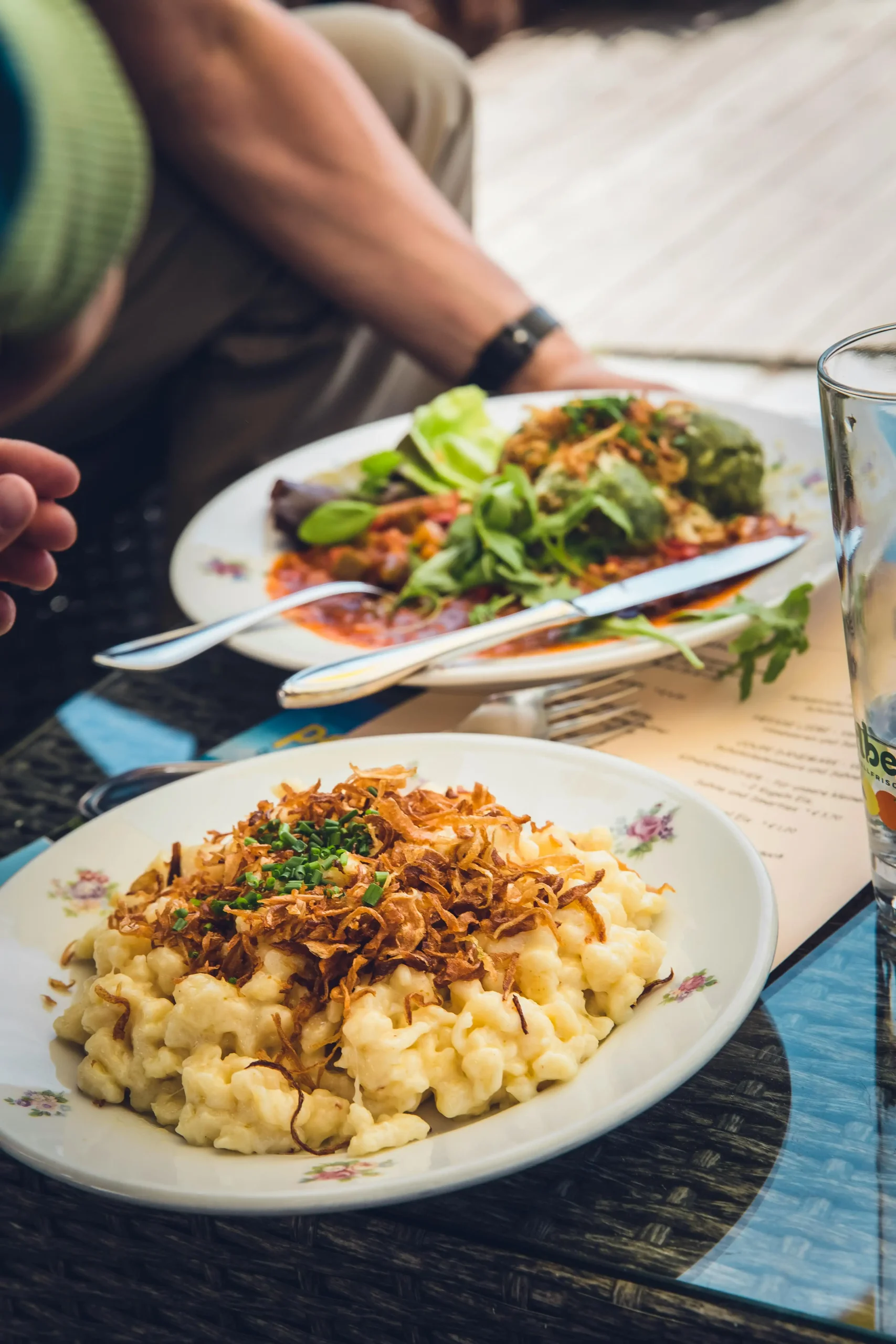
German cuisine is often celebrated for its hearty flavors, generous portions, and deeply satisfying meals. While many people immediately think of sausages and pretzels when they hear the words “German food,” the country’s culinary traditions extend far beyond these famous staples. Germany is home to a rich collection of comfort foods that have been passed down through generations, offering warmth, nourishment, and a strong connection to family traditions.
Comfort food occupies a special place in German culture. These dishes are designed to bring people together around the table, especially during cold winters and festive gatherings. Built around simple ingredients such as potatoes, noodles, meats, onions, and seasonal vegetables, German comfort foods transform everyday ingredients into memorable meals that are both filling and flavorful.
From the cheesy goodness of Käsespätzle to the tender richness of Sauerbraten, Germany’s comfort food traditions reflect centuries of regional influences, agricultural heritage, and culinary craftsmanship. In this guide, we will explore some of Germany’s most beloved comfort foods and discover why these dishes continue to capture the hearts of food lovers around the world.
The Role of Comfort Food in German Culture
Comfort food in Germany is more than just a meal. It represents family, tradition, and hospitality. Many classic recipes are closely tied to regional customs and family celebrations. Grandparents often pass recipes down through generations, preserving cooking methods that have remained largely unchanged for decades.
Germany’s climate has also played an important role in shaping its cuisine. Long winters encouraged the development of dishes that were rich in calories and capable of providing warmth and energy. Slow-cooked meats, hearty stews, dumplings, potatoes, and noodles became staples because they were affordable, filling, and easy to prepare in large quantities.
Today, these traditional comfort foods remain popular in homes, restaurants, beer gardens, and holiday celebrations across the country.
Käsespätzle: Germany’s Ultimate Comfort Food
Among Germany’s most beloved comfort foods, Käsespätzle often stands at the top of the list. Frequently compared to macaroni and cheese, this dish offers a uniquely German take on cheesy comfort.
Spätzle are soft egg noodles traditionally made from flour, eggs, salt, and water. The dough is pushed through a special press or board into boiling water, creating small, irregularly shaped noodles with a wonderfully tender texture.
Once cooked, the noodles are layered with melted cheese, typically Emmental, Bergkäse, or Allgäuer cheese. The dish is then topped with crispy fried onions that add a satisfying crunch and rich flavor.
What makes Käsespätzle so beloved is its simplicity. The combination of soft noodles, melted cheese, and caramelized onions creates a comforting meal that feels both rustic and indulgent.
Originating in southern Germany, particularly the regions of Bavaria and Swabia, Käsespätzle remains a staple in mountain inns, family kitchens, and traditional restaurants. It is often served alongside fresh salads or enjoyed as a standalone meal.
For many Germans, Käsespätzle represents childhood memories, family gatherings, and cozy evenings spent indoors during colder months.
Eintopf: The One-Pot Wonder
The word “Eintopf” literally translates to “one pot,” perfectly describing this classic German comfort dish. Eintopf is a thick and hearty stew made by cooking a variety of ingredients together in a single pot.
One of the reasons Eintopf remains so popular is its versatility. Depending on the season and region, recipes may include potatoes, carrots, cabbage, beans, peas, lentils, onions, sausages, beef, pork, or chicken.
Historically, Eintopf served as an economical meal that allowed families to make the most of available ingredients. Farmers and laborers particularly appreciated the dish because it provided substantial nourishment after long hours of physical work.
Each German region has its own variation of Eintopf. Some recipes focus heavily on vegetables, while others emphasize smoked meats and sausages. The result is always a thick, flavorful stew that delivers comfort with every spoonful.
Modern cooks continue to embrace Eintopf because it is easy to prepare, highly customizable, and ideal for feeding large groups. It also exemplifies the German approach to comfort food: practical, hearty, and deeply satisfying.
Sauerbraten: Germany’s National Pot Roast
Few dishes are as iconic in German cuisine as Sauerbraten. Often referred to as Germany’s national dish, Sauerbraten is a slow-cooked pot roast known for its remarkable tenderness and distinctive sweet-and-sour flavor.
The preparation process begins with a lengthy marinade. Beef is traditionally soaked for several days in a mixture of vinegar, water, wine, onions, and aromatic spices such as cloves, peppercorns, bay leaves, and juniper berries.
This extended marinating period serves two purposes. First, it tenderizes the meat. Second, it infuses the roast with a complex depth of flavor that cannot be achieved through ordinary cooking methods.
After marinating, the beef is slowly braised until it becomes fork-tender. The cooking liquid is then transformed into a rich gravy that balances savory, sweet, and tangy elements.
Sauerbraten is commonly served with potato dumplings, boiled potatoes, red cabbage, or spaetzle. Together, these accompaniments create a meal that is both elegant and comforting.
The dish has roots dating back several centuries and remains a centerpiece at family gatherings, holidays, and special occasions. Its popularity demonstrates how traditional German cooking values patience, craftsmanship, and flavor development.
Rinderrouladen: A Celebration of Flavor
Another treasured German comfort food is Rinderrouladen, often simply called Rouladen. This dish consists of thin slices of beef rolled around a savory filling before being slowly braised.
Traditional fillings include mustard, bacon, onions, and pickles. These ingredients create a combination of smoky, tangy, and savory flavors that complement the beef perfectly.
After the rolls are assembled, they are browned and then slowly cooked in a flavorful broth until tender. The cooking liquid eventually becomes a rich gravy that enhances every bite.
Rinderrouladen is especially popular during Sunday family dinners and holiday celebrations. The dish requires time and care to prepare, making it a symbol of hospitality and culinary tradition.
Served alongside potato dumplings, mashed potatoes, or red cabbage, Rinderrouladen offers a perfect example of Germany’s talent for transforming simple ingredients into extraordinary meals.
The contrast between the tender beef and flavorful filling creates a dining experience that feels both comforting and sophisticated.
Currywurst: Germany’s Favorite Street Food Comfort Meal
While many German comfort foods are associated with home cooking, Currywurst occupies a unique place in the nation’s culinary landscape. This beloved street food combines convenience with bold flavor, making it one of Germany’s most popular casual meals.
Currywurst typically consists of a grilled or fried sausage sliced into bite-sized pieces and covered in a sauce made from ketchup, curry powder, and additional spices. The dish is often served with French fries or bread rolls.
The origins of Currywurst date back to post-World War II Berlin, where creative cooks experimented with ingredients available at the time. The resulting combination quickly became a nationwide sensation.
Today, Currywurst stands as one of Germany’s most recognizable foods. Street vendors, snack bars, and restaurants serve millions of portions each year.
Its appeal lies in its simplicity. The smoky sausage, sweet tomato sauce, and aromatic curry seasoning create a flavor profile that is both comforting and addictive.
Although it differs significantly from traditional home-cooked meals such as Sauerbraten or Eintopf, Currywurst remains a comfort food because it evokes nostalgia, familiarity, and everyday enjoyment.
Why German Comfort Foods Remain Popular
The enduring popularity of German comfort foods can be attributed to several factors.
First, these dishes prioritize flavor and satisfaction. Rich gravies, slow-cooked meats, melted cheeses, and hearty starches create meals that leave diners feeling content and nourished.
Second, German comfort foods emphasize tradition. Many recipes have remained unchanged for generations, allowing families to preserve cultural heritage through cooking.
Third, these dishes encourage togetherness. Whether gathering around a pot of Eintopf or sharing a Sunday meal of Sauerbraten, German comfort foods foster meaningful social connections.
Finally, many traditional recipes use accessible ingredients. Potatoes, onions, cabbage, flour, and inexpensive cuts of meat form the foundation of countless dishes, making them practical for everyday cooking.
These qualities ensure that German comfort food remains relevant even in an era of rapidly changing food trends.
Regional Diversity in German Comfort Cuisine
Germany’s culinary traditions vary significantly from region to region. Southern Germany is famous for dishes featuring spaetzle, dumplings, and cheese-based specialties. Bavaria offers hearty meals that pair perfectly with local beers.
Northern Germany often incorporates seafood and root vegetables into its comfort food traditions. Western regions showcase dishes influenced by neighboring countries, while eastern Germany preserves recipes that reflect unique historical influences.
This regional diversity contributes to the richness of German cuisine. Travelers exploring the country often discover that each region offers its own interpretation of comfort food, adding depth and variety to the culinary experience.
The ability to maintain local traditions while embracing national favorites has helped German comfort food remain vibrant and culturally significant.
Bringing German Comfort Food into Your Kitchen
One of the greatest advantages of German comfort food is that many dishes can be recreated at home. Ingredients are generally easy to find, and recipes often rely on straightforward cooking techniques.
For beginners, Käsespätzle provides an excellent introduction to German cooking. More experienced home cooks may enjoy preparing Sauerbraten or Rinderrouladen as weekend projects.
Eintopf offers flexibility for those who prefer simple, adaptable meals, while Currywurst can be assembled quickly for a satisfying lunch or dinner.
Cooking these dishes allows people to experience German culinary traditions firsthand while creating memorable meals for family and friends.
As interest in international cuisine continues to grow, German comfort foods provide a delicious opportunity to explore flavors rooted in history, tradition, and hospitality.
Conclusion
From the cheesy indulgence of Käsespätzle to the slow-cooked perfection of Sauerbraten, Germany’s comfort foods showcase the nation’s rich culinary heritage. These dishes are more than recipes; they are expressions of culture, family, and tradition that have endured for generations.
Whether enjoyed in a traditional German restaurant, at a festive gathering, or in your own kitchen, these meals offer a unique combination of warmth, flavor, and satisfaction. Their emphasis on hearty ingredients, careful preparation, and communal dining continues to resonate with food lovers around the world.
As global interest in authentic international cuisine grows, Germany’s beloved comfort foods remain timeless examples of how simple ingredients and traditional techniques can create extraordinary dining experiences. For anyone seeking meals that nourish both body and soul, German comfort food offers a delicious journey worth exploring.