 By Nat Feury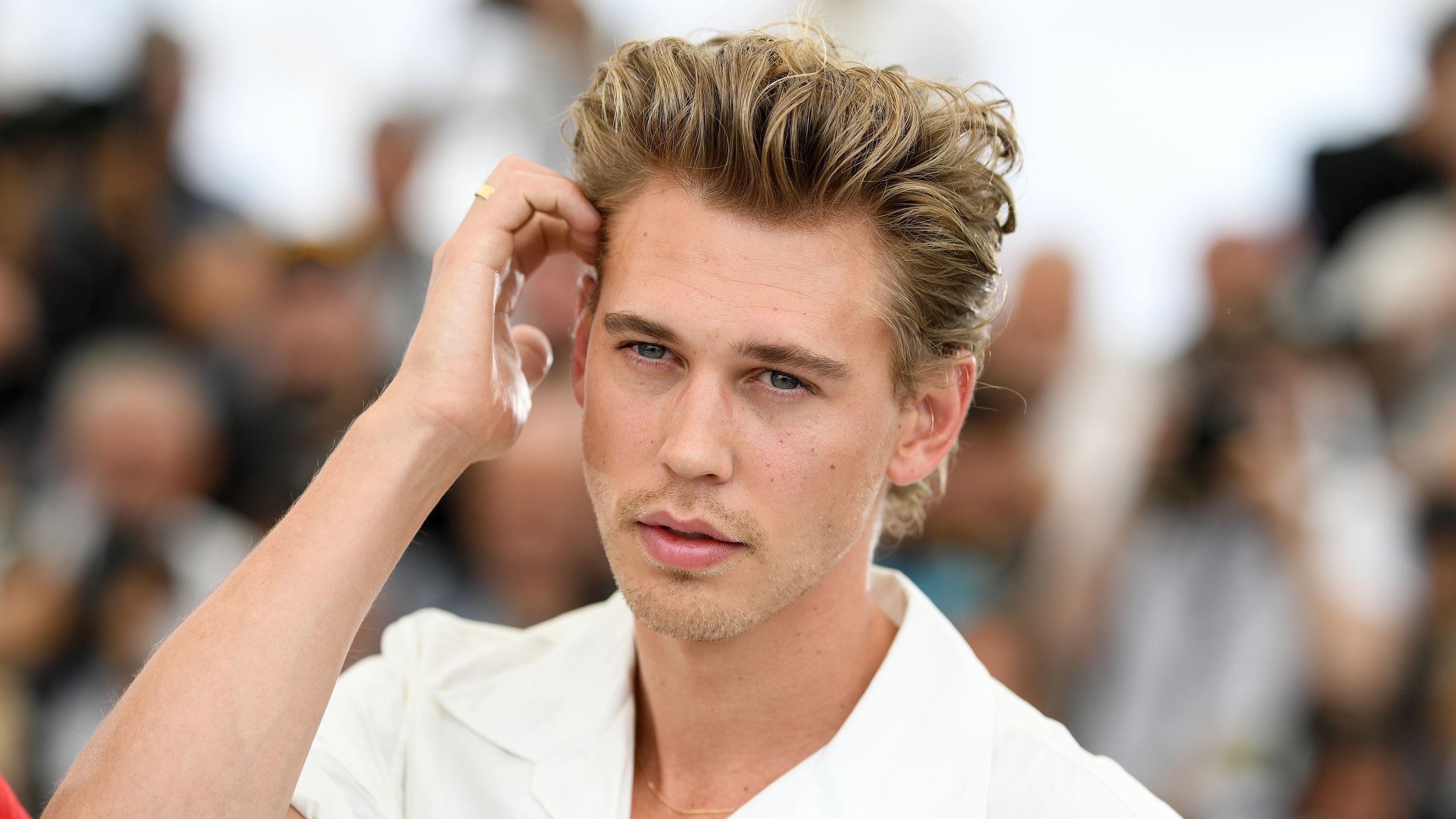
In today’s entertainment landscape, Hollywood moments no longer fade after the news cycle ends. Instead, they often continue circulating long after their original release, resurfacing through short clips, commentary threads, and algorithm-driven recommendations. A single interview quote, red carpet interaction, or behind-the-scenes clip can easily evolve into an ongoing conversation that outlives the event itself.
Much of this persistence comes from how content is consumed online. Entertainment news is no longer confined to scheduled broadcasts or full-length articles. Instead, it is fragmented into shareable moments that can be replayed, reposted, and reinterpreted across multiple platforms. This allows even minor celebrity interactions to gain extended visibility and cultural relevance.
Recent viral cycles involving figures such as Timothée Chalamet and Florence Pugh highlight how quickly small moments can escalate into widespread discussion. A brief interview segment or red carpet exchange can generate thousands of reactions, edits, and commentary posts within hours, often shifting the focus away from the original context.
Similarly, ongoing attention around appearances from Austin Butler demonstrates how performance-related interviews and promotional tours can take on a life of their own online. Audiences frequently dissect tone, body language, and phrasing, turning short clips into broader conversations about personality and image.
What makes these moments especially durable is the way they are repackaged by social media. Memes, reaction videos, and stitched commentary continuously reframe the same footage, allowing it to resurface in new contexts. A single clip can shift meaning depending on how it is edited or captioned, keeping it relevant far beyond its original release window.
Entertainment media outlets also contribute to this cycle by amplifying trending moments across platforms. As engagement metrics increasingly influence visibility, stories that generate strong audience reaction are more likely to be redistributed, further extending their lifespan in the public conversation.
At the same time, audiences play an active role in determining what stays relevant. Viewer engagement, sharing behavior, and commentary culture collectively shape which moments remain visible and which quietly disappear. This creates a feedback loop where popularity reinforces itself through repetition.
The result is a version of Hollywood culture that is increasingly nonlinear. Instead of a clear beginning and end to media moments, there is a continuous cycle of resurfacing content that evolves over time based on audience interaction.
As entertainment continues to merge with social media dynamics, the line between a “news moment” and a “cultural moment” becomes harder to define. What remains clear is that in 2026, Hollywood’s most talked-about events are no longer just what happens on screen or on stage—they are what the internet chooses to keep alive.
References
- https://variety.com
- https://www.hollywoodreporter.com
- https://deadline.com
- https://www.pewresearch.org/internet/
- https://reutersinstitute.politics.ox.ac.uk
- https://www.technologyreview.com