 By Jenna Rose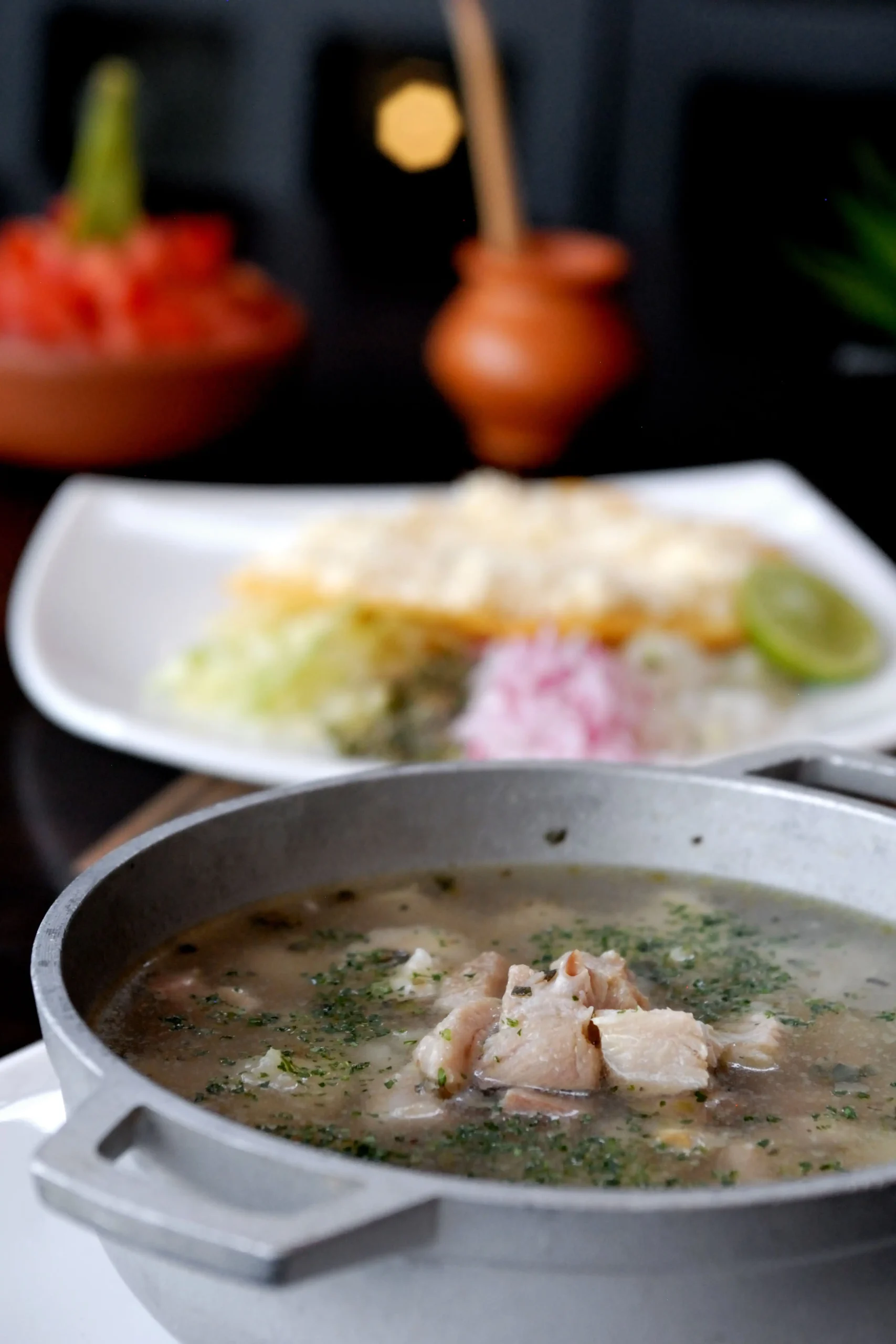
There are foods that simply fill the stomach, and then there are foods that seem to do something deeper. They don’t just satisfy hunger; they restore something within you. In Mexican cuisine, one of the most powerful examples of this kind of food is caldo de res, a traditional beef soup that carries both nourishment and emotional warmth in every spoonful.
Caldo de res is more than a recipe. It is a feeling, a memory, and in many households, it is a form of care expressed through food. For generations, families have turned to this slow-cooked soup during moments of fatigue, illness, emotional exhaustion, or even just cold rainy days when the world feels heavier than usual. It is often described not just as food, but as something close to medicine in a bowl.
What makes caldo de res so special is not complexity. In fact, its ingredients are simple and humble: beef shank, bones, corn on the cob, carrots, potatoes, cabbage, zucchini, and herbs like cilantro. Yet when these ingredients simmer together for hours, something transformative happens. The broth becomes rich and deeply flavored, the vegetables absorb the essence of the meat, and the entire dish turns into something greater than the sum of its parts.
In Mexican culture, soups like caldo de res are deeply tied to family life. They are not rushed meals. They are slow, intentional, and often made in large pots meant to be shared. The act of preparing it already signals care. Someone is taking time to nourish others. The kitchen fills with steam, the smell of simmering beef and vegetables, and a quiet sense of anticipation that something comforting is on its way.
Many people associate caldo de res with home. Not just a physical home, but an emotional one. It is the kind of dish often prepared by mothers or grandmothers, especially when someone in the family is not feeling well. There is a reason why people say it feels like healing. The warmth of the broth, the softness of the vegetables, and the richness of the meat create a sensory experience that calms the body and mind.
During illness, caldo de res becomes especially meaningful. When appetite is low and energy is drained, heavy or complicated foods feel overwhelming. But a warm bowl of broth with tender vegetables is easier to consume. It hydrates, it nourishes, and it gently restores strength without demanding much from the body. This is why many people naturally turn to it when they are recovering from fever, flu, or exhaustion.
But its healing effect is not only physical. There is also an emotional dimension. When someone serves you caldo de res, it often comes with care, concern, and presence. It is rarely just food placed on a table. It is usually accompanied by checking in, sitting together, or offering comfort. In this way, the dish becomes a form of emotional support.
To understand why caldo de res feels so comforting, it helps to look at how the human brain responds to warmth and familiarity. Warm foods, especially broths, tend to activate a calming response in the nervous system. They slow down stress signals and create a sense of internal ease. Combined with familiar flavors and textures, this creates a powerful grounding effect.
The ingredients themselves also contribute to its comforting nature. Corn on the cob adds sweetness and familiarity, carrots bring natural softness and earthiness, potatoes offer heartiness, and cabbage adds a subtle depth that balances the broth. The beef, slow-cooked until tender, provides richness and satisfaction. Each bite is different, yet everything feels cohesive and balanced.
Unlike fast food or heavily processed meals, caldo de res requires patience. It cannot be rushed without losing its essence. This slow cooking process reflects something important about comfort itself. True comfort is not immediate or artificial. It develops over time, just like the broth that simmers for hours until everything blends together.
In many Mexican households, caldo de res is associated with weekends or special family days. It is not always an everyday meal, but when it appears, it signals care and intention. Large pots are prepared, sometimes enough to feed extended family members or neighbors. Food becomes a way of bringing people together, strengthening relationships, and sharing warmth beyond just nutrition.
There is also a nostalgic quality to caldo de res that makes it especially powerful during adulthood. Many people remember childhood moments of being served a bowl when they were tired, sick, or coming in from a long day outside. The memory of sitting at a table, holding a warm bowl, and feeling cared for becomes deeply embedded in emotional memory.
As people grow older and life becomes more stressful, those memories often resurface. The mind naturally gravitates toward experiences that once provided safety. This is why caldo de res is often romanticized. It is not just about flavor; it is about what it represents. It represents care without conditions, warmth without expectation, and nourishment without complication.
In modern life, where fast-paced routines and digital distractions are constant, dishes like caldo de res offer something rare: stillness. The act of eating it encourages slowing down. You cannot rush a hot bowl of soup. You sit, you breathe, you taste, and you allow yourself to be present. In a world that often demands speed, this slowness becomes a form of healing in itself.
There is also a sensory comfort in how it is eaten. The steam rising from the bowl, the sound of broth being ladled, the softness of vegetables that melt easily in the mouth—all of these details create a multi-sensory experience that soothes the body. It engages touch, smell, taste, and even sound in a gentle, coordinated way.
For many people, caldo de res is also tied to cultural identity. It is a reminder of heritage, family roots, and tradition. Even when people move away from home or live in different countries, recreating this dish can bring back a sense of belonging. The recipe becomes a bridge between past and present, between where someone is and where they come from.
Food often carries memory more powerfully than words, and caldo de res is a perfect example of this. One spoonful can bring back entire moments: childhood kitchens, family conversations, rainy afternoons, or quiet evenings at home. These memories are not always consciously recalled, but they live in the body and are activated through taste and smell.
What makes this dish especially meaningful is that it does not try to impress. It is not designed to be fancy or overly styled. Its strength lies in its honesty. It is simple food made with care, patience, and intention. And sometimes, that is exactly what people need most.
Even in wellness conversations today, there is growing recognition of the importance of foods like caldo de res. While trends often focus on superfoods or complex diets, traditional dishes remind us that healing can be simple. A warm broth, a balanced mix of vegetables, and slow cooking can be just as nourishing for the body and mind as any modern wellness trend.
In many ways, calling it “medicine in a bowl” is not an exaggeration. It may not replace medical treatment, but it supports recovery in ways that go beyond nutrients. It provides emotional safety, reduces stress, encourages rest, and gently restores energy. These effects are just as important as physical nourishment when someone is unwell or overwhelmed.
Ultimately, caldo de res is more than a Mexican beef soup. It is a symbol of care passed through generations. It represents the idea that food can be an act of love, that healing can come in simple forms, and that comfort does not always need to be complicated.
In a world that often feels rushed and uncertain, a bowl of caldo de res offers something grounding. It reminds us to slow down, to be cared for, and to allow ourselves moments of warmth without guilt or distraction. It is a quiet reminder that even in difficult times, comfort can still be found in the simplest places—sometimes, all it takes is a bowl of soup that feels like home.