 By Jenna Rose
Introduction: The Warm Heart of Danish Comfort Food
When people think of comfort food, they often imagine rich, nostalgic dishes that bring warmth during cold seasons. In Denmark, comfort food is deeply tied to tradition, seasonality, and the cultural concept of hygge—a lifestyle centered on coziness, warmth, and simple pleasures.
Denmark has built a culinary identity that reflects its climate and values. Long winters, coastal geography, and a strong farming heritage have shaped a cuisine focused on hearty, satisfying meals made with local ingredients.
From open-faced sandwiches like smørrebrød to slow-cooked stews and creamy desserts, Danish comfort food is both humble and deeply meaningful. It is food designed not just to nourish the body but to create connection, warmth, and emotional comfort.
The Essence of Hygge and Danish Comfort Food Culture
To understand Danish comfort food, you first need to understand hygge. Hygge is not just a word—it is a cultural philosophy that emphasizes comfort, togetherness, and contentment in everyday moments.
Food plays a central role in this lifestyle. Meals are often shared with family and friends in relaxed settings, where simplicity is more important than extravagance. Candlelight, warm drinks, and homemade dishes are common elements of the Danish dining experience.
Comfort food in Denmark is less about indulgence and more about emotional satisfaction. It is about slowing down, enjoying the moment, and appreciating familiar flavors that feel like home.
Smørrebrød: Denmark’s Iconic Comfort Food
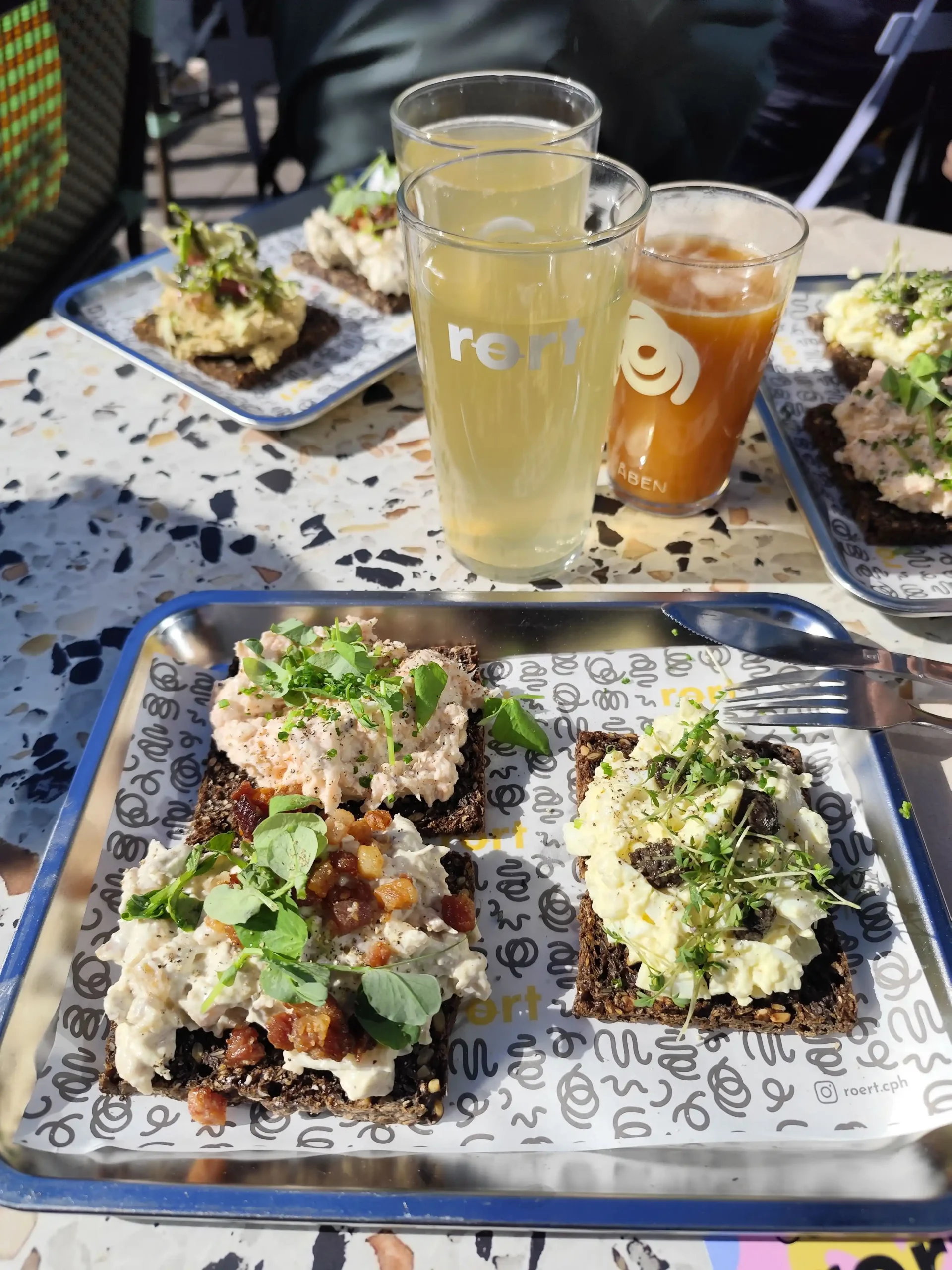
One of the most iconic dishes in Danish cuisine is smørrebrød, an open-faced sandwich that combines rye bread with a variety of toppings such as pickled herring, roast beef, eggs, shrimp, or liver pâté.
Smørrebrød is more than just a sandwich—it is an art form. Each piece is carefully assembled with attention to texture, color, and balance. It is commonly enjoyed for lunch and is a staple in both casual and formal Danish dining.
The base of smørrebrød is typically dense rye bread, known as rugbrød, which provides a hearty and slightly tangy foundation. This bread is rich in fiber and deeply rooted in Danish baking tradition.
What makes smørrebrød a comfort food is its familiarity. It is simple, customizable, and deeply connected to everyday life in Denmark.
Hearty Danish Stews and Slow-Cooked Dishes
When the weather turns cold, Danish households often turn to warm, slow-cooked meals that provide both nourishment and comfort. Stews are especially popular because they are easy to prepare in large portions and develop rich flavors over time.
Traditional Danish stews often include ingredients like pork, beef, potatoes, carrots, onions, and herbs. These ingredients are simmered together until tender, creating a thick, flavorful dish that pairs perfectly with bread or boiled potatoes.
One of the most beloved examples is “gullasch” (Danish-style goulash), influenced by Central European cuisine but adapted to local tastes. It is hearty, filling, and perfect for cold evenings.
These dishes reflect the Danish approach to food: practical, comforting, and rooted in seasonal availability.
Frikadeller: Denmark’s Classic Comfort Meatballs
Another staple of Danish comfort food is frikadeller, pan-fried meatballs typically made from a mixture of pork and beef, seasoned with onions, salt, and pepper.
Frikadeller are commonly served with potatoes, gravy, and pickled red cabbage or cucumbers. They are a family favorite and often appear in both everyday meals and festive gatherings.
What makes frikadeller special is their simplicity. They are easy to prepare but deliver rich, satisfying flavor. Many Danish families have their own version of the recipe, passed down through generations.
These meatballs represent home cooking at its finest—warm, familiar, and deeply nostalgic.
Danish Potato Dishes: Simple but Satisfying Comfort
Potatoes play a central role in Danish cuisine and are a key component of many comfort foods. Boiled, mashed, roasted, or caramelized, potatoes are often served alongside meat dishes and gravies.
One classic dish is “brunede kartofler,” or caramelized potatoes, traditionally served during Christmas meals. These small potatoes are coated in sugar and butter, creating a sweet and savory side dish that pairs perfectly with roasted meats.
Potatoes in Denmark are not just a side ingredient—they are a foundation of comfort cooking, offering warmth and substance in nearly every meal.
Creamy Danish Soups for Cold Weather
Soup is another essential category of comfort food in Denmark, especially during the long winter months. Cream-based soups made with leeks, potatoes, carrots, or fish are common in Danish households.
One popular example is fish soup, often made with cod or salmon, cream, herbs, and root vegetables. It is rich, warming, and deeply satisfying.
Another traditional option is potato and leek soup, which is smooth, creamy, and often served with rye bread on the side.
These soups are simple but nourishing, reflecting the Danish preference for clean, wholesome ingredients.
Danish Pastries: Sweet Comfort with a Global Reputation
No discussion of Danish comfort food is complete without mentioning pastries. Danish pastries, known locally as “wienerbrød,” are buttery, flaky, and often filled with custard, jam, or almond paste.
While they are enjoyed worldwide, in Denmark they are a common part of breakfast or afternoon coffee breaks. Paired with a hot cup of coffee, they create a moment of daily comfort and indulgence.
These pastries reflect the balance in Danish cuisine between simplicity and pleasure. They are not overly complicated, but they deliver a rich sensory experience that feels comforting and familiar.
Seasonal Eating and Local Ingredients in Danish Cuisine
Danish comfort food is strongly influenced by seasonal availability. Because of the northern climate, fresh produce is often limited in winter, so traditional dishes rely heavily on preserved foods, root vegetables, and meats.
In summer, the cuisine becomes lighter with fresh berries, greens, and seafood. In winter, it shifts toward heavier, warming dishes that provide energy and comfort.
This seasonal rhythm is an important part of Danish food culture. It encourages people to appreciate ingredients at their peak and adapt meals to the natural environment.
The Role of Family and Tradition in Danish Comfort Food
Comfort food in Denmark is deeply tied to family life. Many recipes are passed down through generations, often without strict measurements or formal instructions.
Meals are typically shared at home around the dining table, reinforcing the importance of connection and togetherness. Even simple dishes become meaningful when prepared and eaten with loved ones.
This tradition strengthens the emotional value of food, making it more than just sustenance. It becomes a way of preserving culture, memory, and identity.
Modern Takes on Traditional Danish Comfort Food
While traditional dishes remain popular, modern Danish cuisine has evolved to include healthier, more global influences. Chefs are now reimagining classic comfort foods with new techniques and presentation styles.
Smørrebrød, for example, is often found in gourmet restaurants with elevated ingredients and artistic plating. Stews and soups are being adapted with organic and plant-based alternatives.
Despite these innovations, the core essence remains the same—comfort, simplicity, and connection to tradition.
Why Danish Comfort Food Resonates Globally
Danish comfort food has gained international attention because it aligns with modern lifestyle trends. People around the world are increasingly seeking food that is both nourishing and emotionally satisfying.
The emphasis on simplicity, seasonal ingredients, and mindful eating resonates with those looking to slow down and reconnect with food culture.
Additionally, the concept of hygge has become globally popular, further increasing interest in Danish cuisine and its comforting nature.
Conclusion: The Soul of Comfort in Danish Cuisine
Comfort food in Denmark is more than just a collection of traditional dishes—it is a reflection of a lifestyle built on warmth, simplicity, and togetherness.
From smørrebrød and frikadeller to hearty stews and creamy soups, Danish home cooking offers a sense of familiarity and emotional grounding that transcends borders.
In a fast-paced world, Danish comfort food reminds us of the importance of slowing down, sharing meals, and finding joy in simple, well-prepared dishes. It is not just food—it is a way of living well.